Magazine

Memories, Light, and Movement: A Conversation with Charlotte Favré
“The person posing is the one who truly reveals themselves through the lens.”

Bex Day: PETAL
“I suppose my work is an extension of my identity, so my work can often represent elements of my personality.”
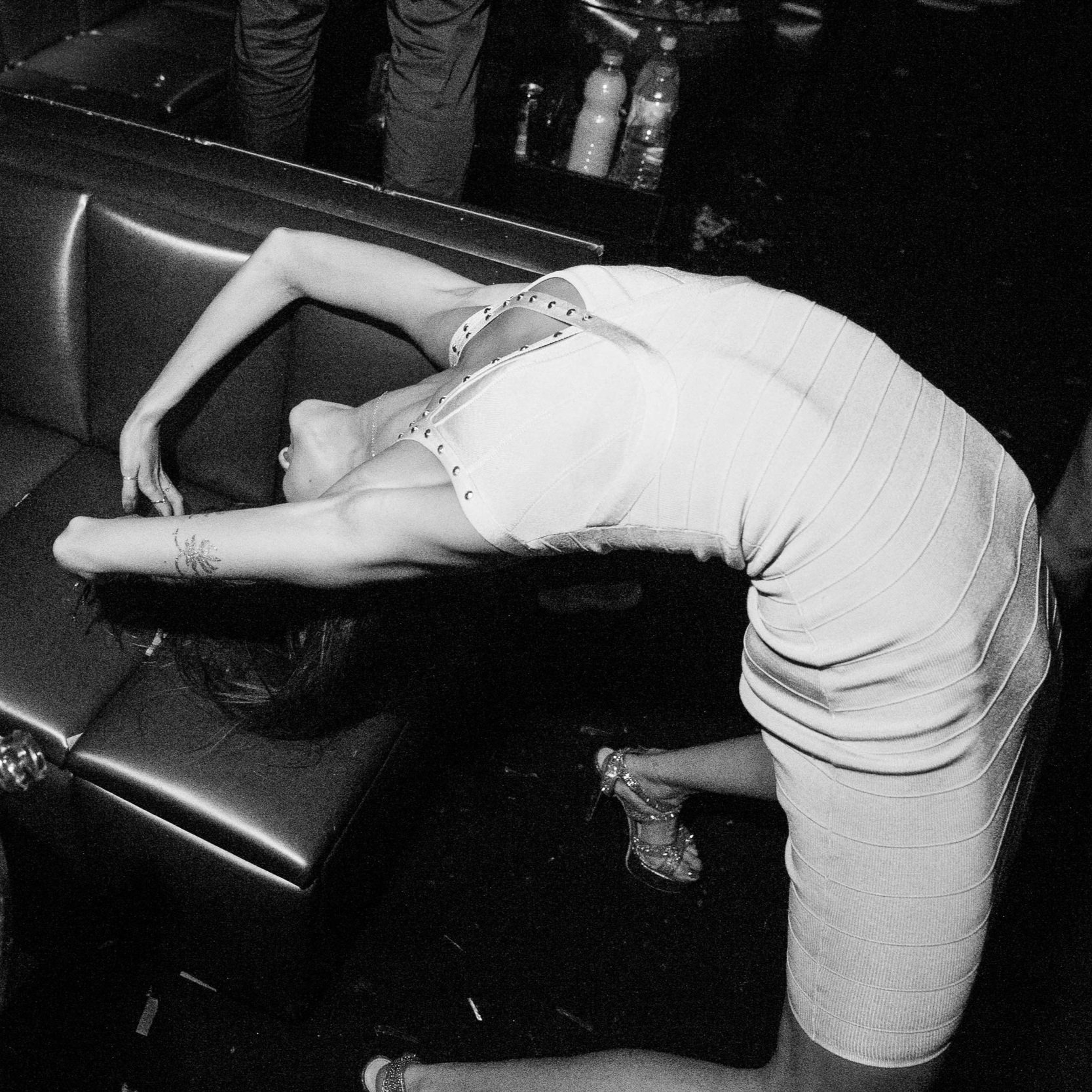
From Travelling Communities to Parisian Cabarets: Maxwell Aurelien James
“I believe that through listening and understanding, we can achieve remarkable things.”
Read More

“I’m constantly reviewing my ethical principals in how I approach my work and the people I collaborate with.”

“I want to feel good about myself, my body and my relationships; whether platonic, romantic, sexual or otherwise.”


“I like to invert perspective, to try to frame something you’ve seen before in a way that makes you see it differently.”


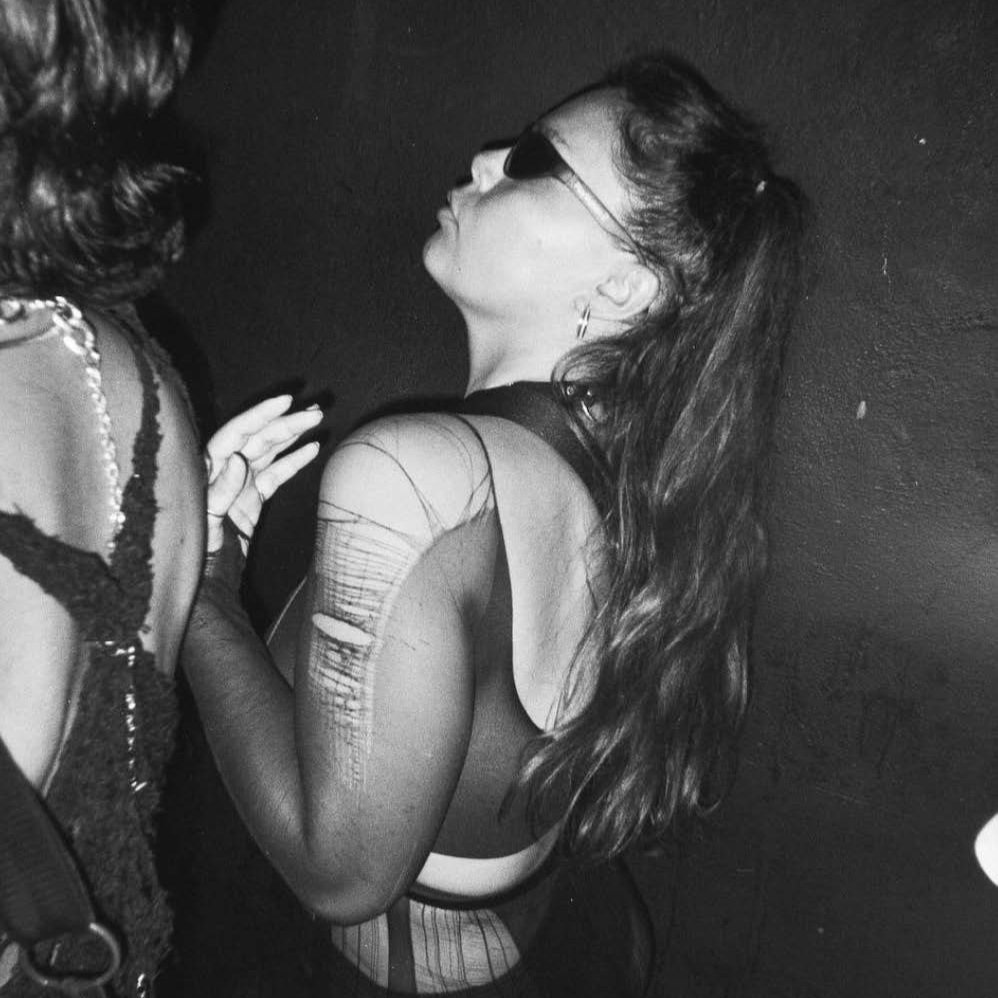

“Why would someone take such a picture at that moment, and choose to show it to me now?”

“When I first experimented with contact sheets, it was a rebellion against the idea of choosing just one image.”

“I strongly believe that we need art now more than ever, to make us think and give us tools to take control of our lives.”

“My work blurs the lines between reality and imagination, exploring themes of distortion and sensuality.”

“It wasn't fair to ask my audience to pay £30 for a print when I couldn't afford that myself.”

“My work has always been linked to how art makes us feel in our bodies, being aware of ourselves.”

“To be able to spread our wings and fly to parts unknown is an inherent desire that lives within us.”
“I suppose my work is an extension of my identity, so my work can often represent elements of my personality.”


“How can we live harmoniously with this changing world while holding on tightly to what remains? ”

“When you are representing the world, how can you put your beliefs, your faith, and your perspective to one side?”
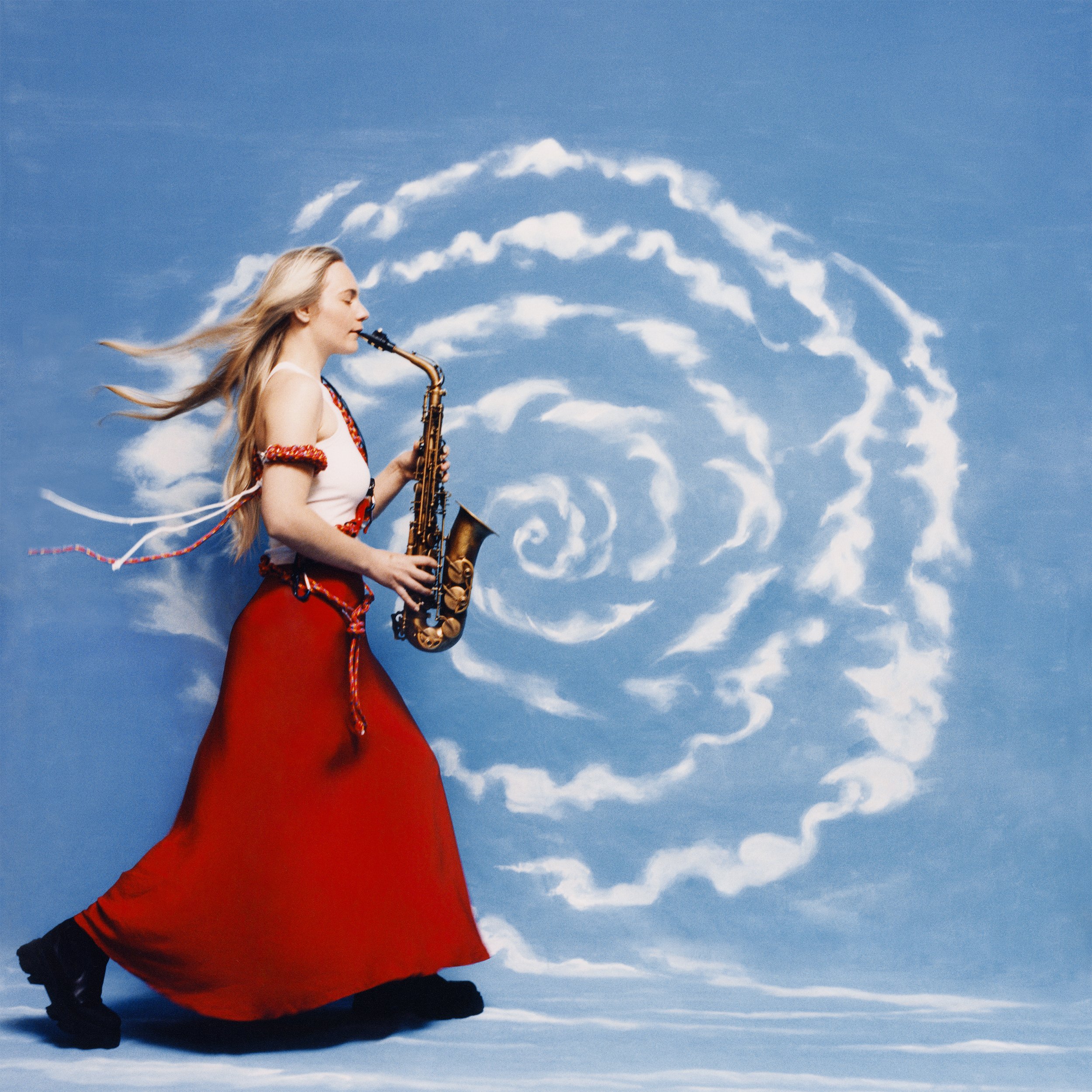
“I feel connected to the world, and that’s why I choose to capture this feeling with my camera.”
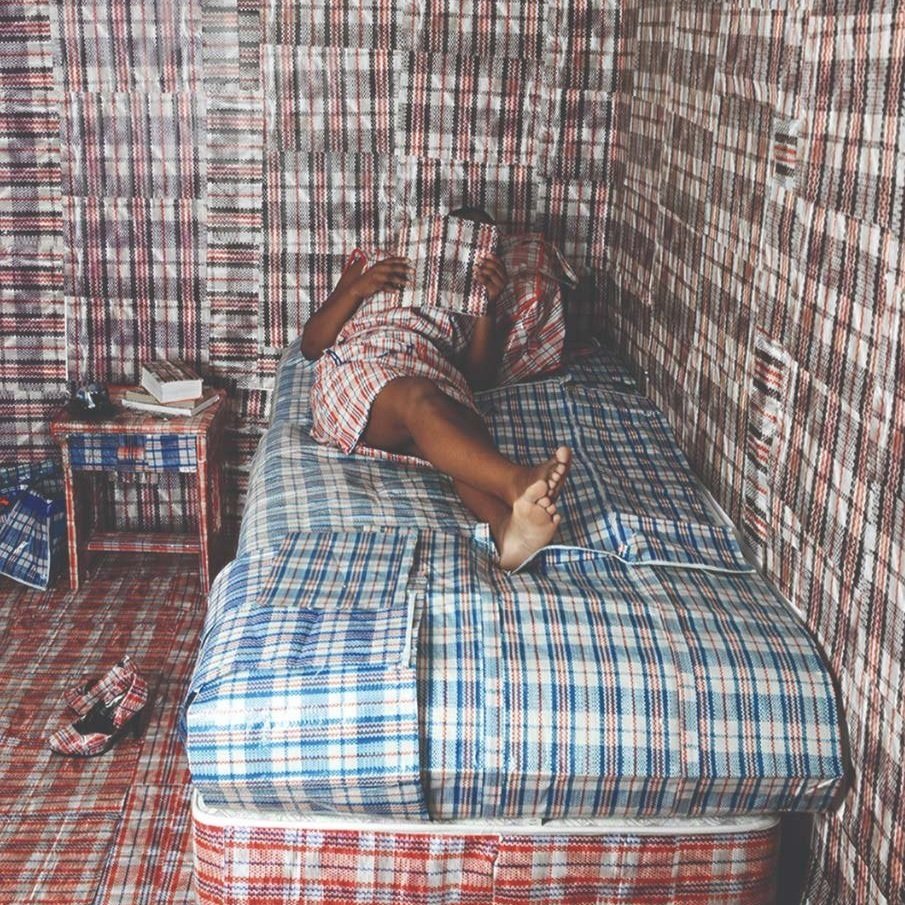


“There’s this personal relationship with how photography is used, how these images are archived, and how they age.”

“You can't shoot someone who isn't a model if there hasn't been a bond and a real trust created.”
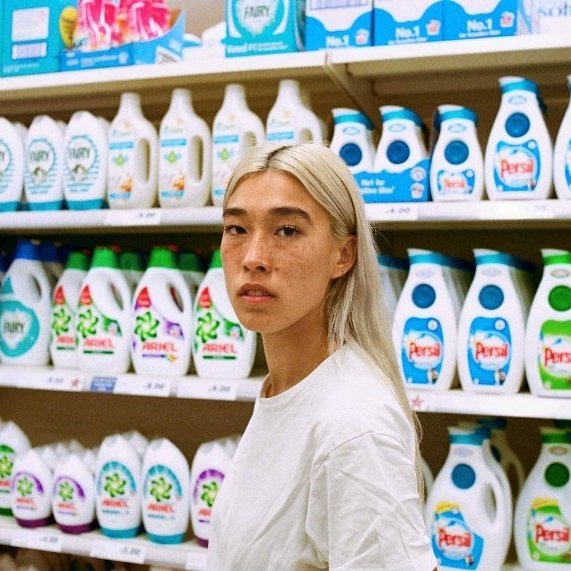
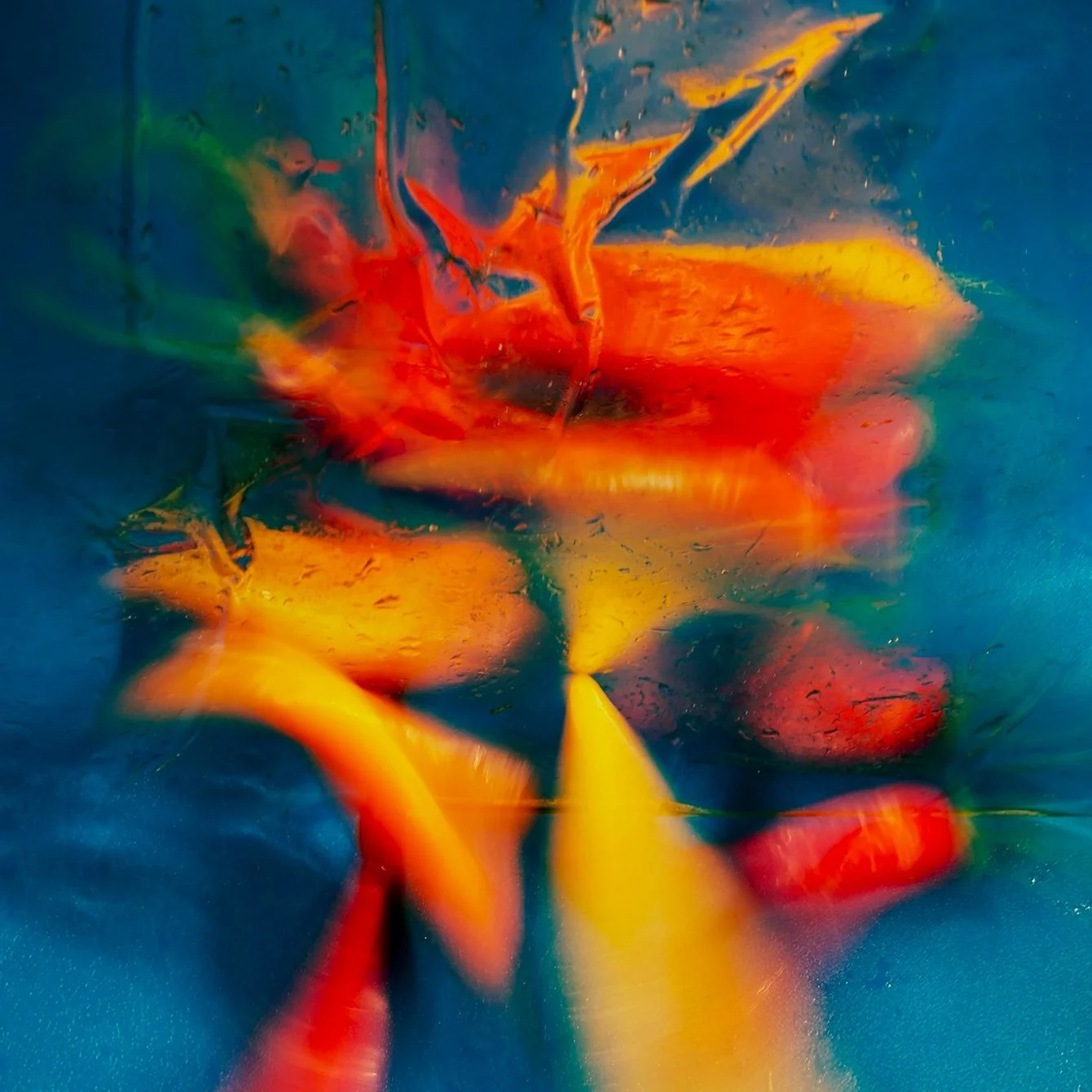
“I am very happy to still be able to be as creative as a child playing with a toy or discovering nature!”
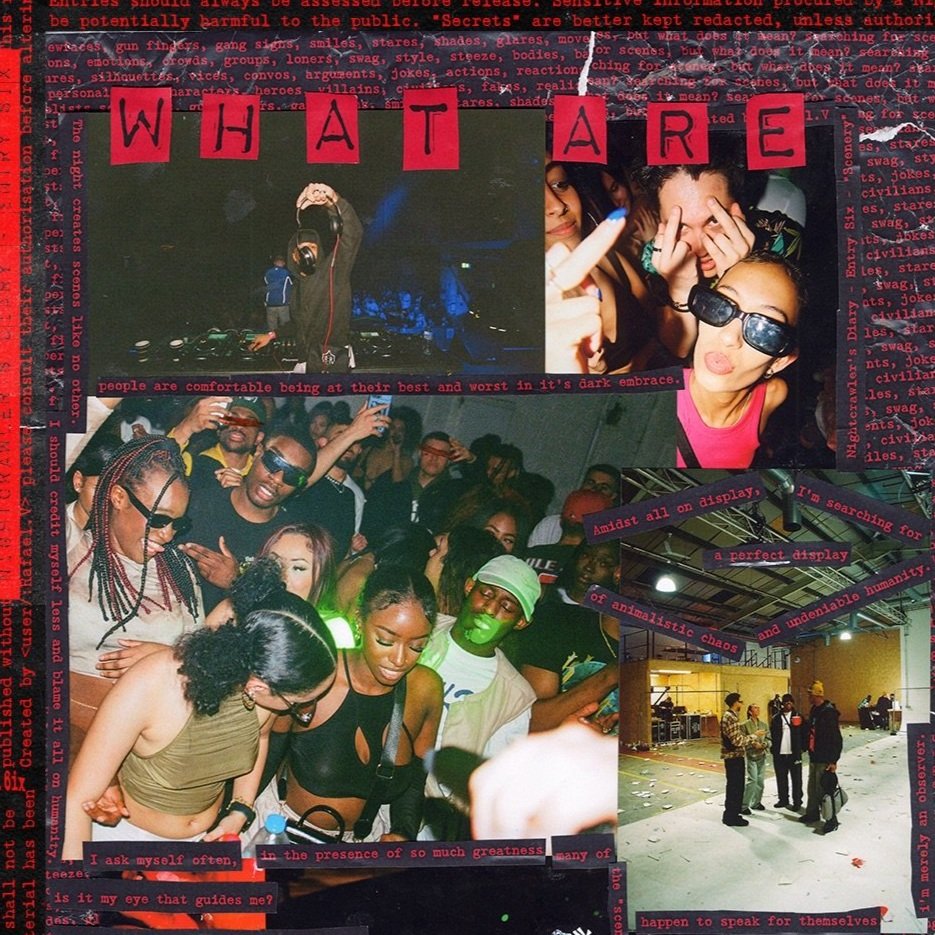
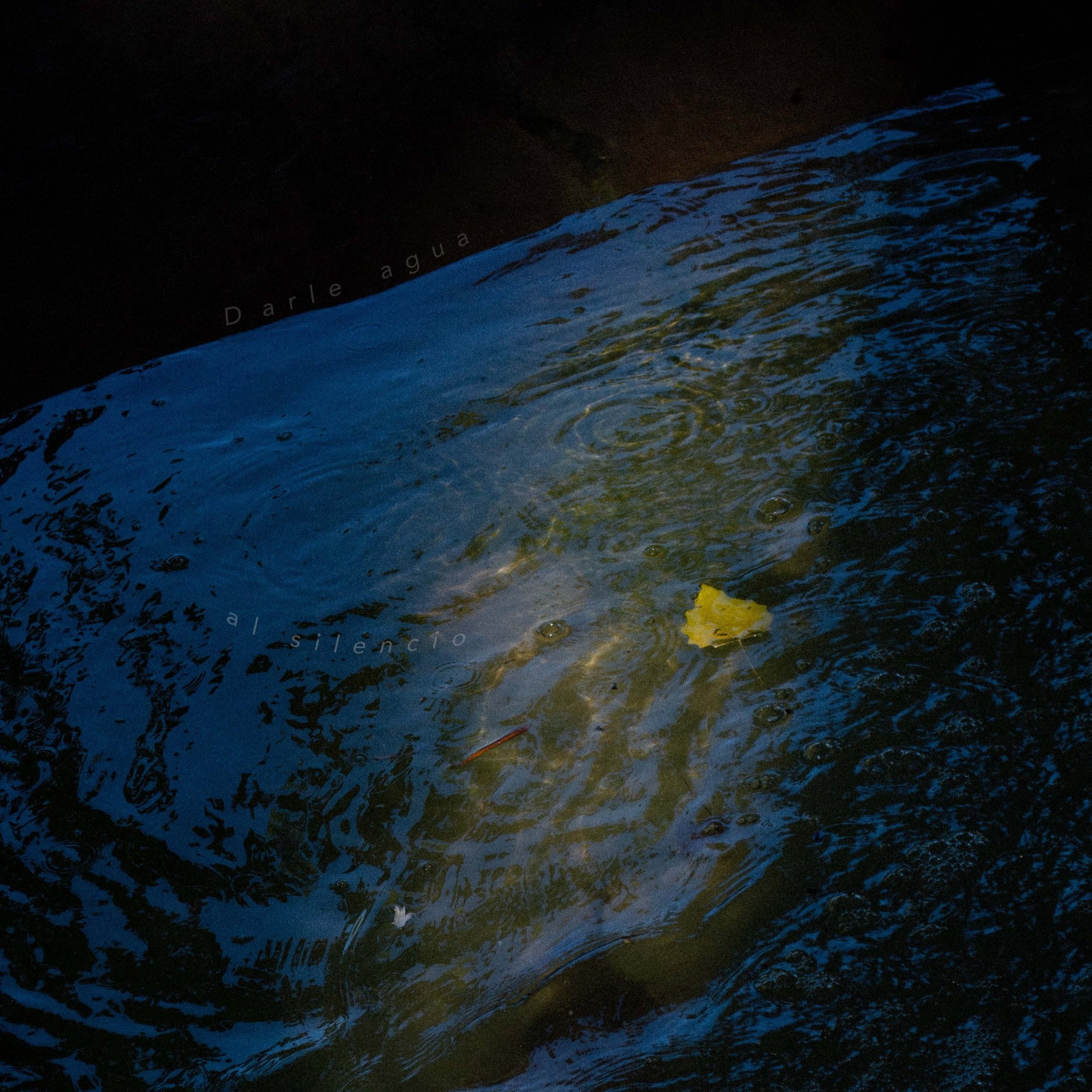


“Maybe I’m enabling myself to being a hoarder, but I love being immersed in old things as a source of inspiration.”

“I don't think there's any permanence now with how accelerated we consume images that don't have cultural or conceptual importance! ”
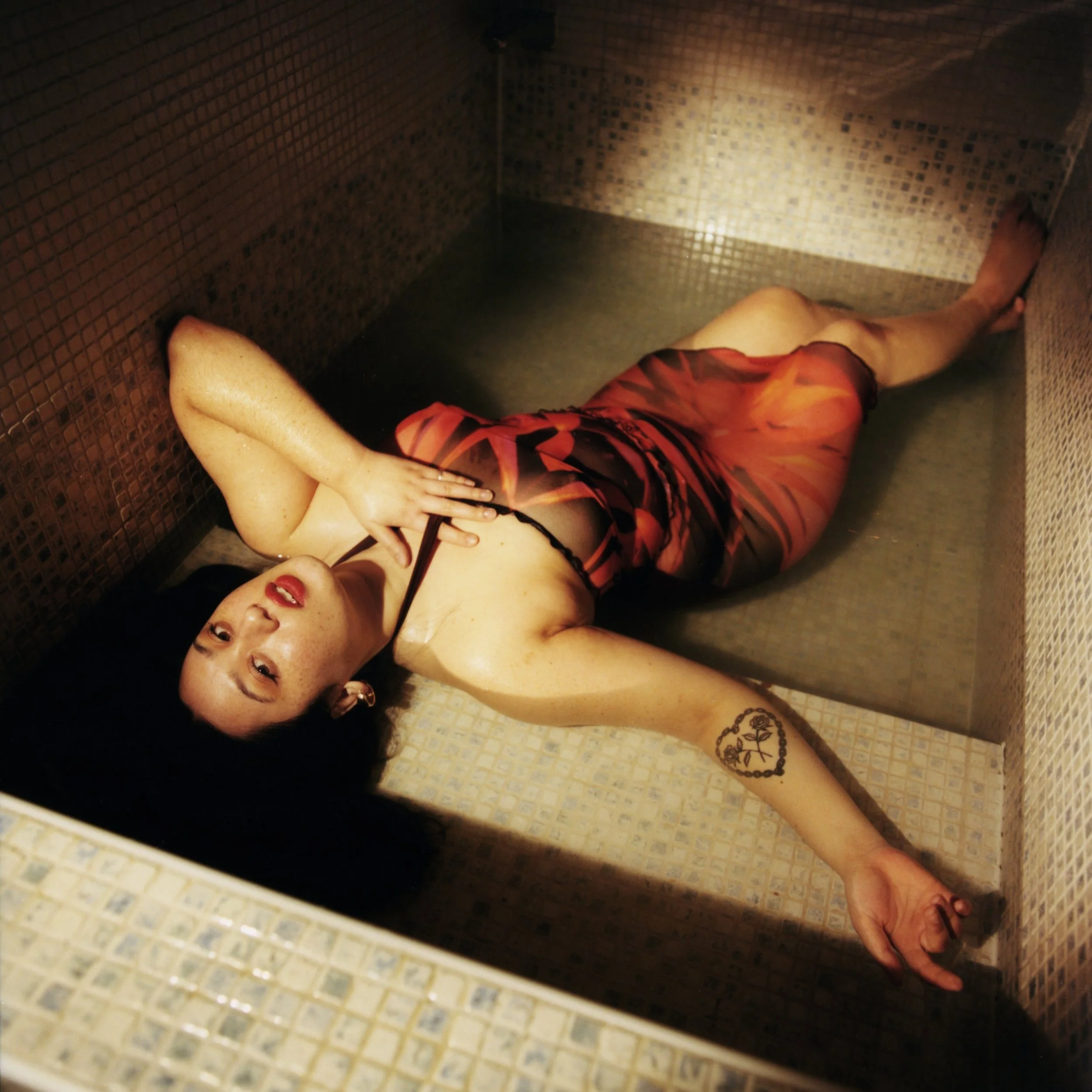
“A photograph holds many layers of meaning, from how the subject looks to how the image reads in a wider societal context. It's important to understand how you contribute to the narrative of image making.”

“If the image is visually good but it doesn’t present my subjects in a good light, I won’t use it.”


“You can basically do photography however you want, as long as the end result is good - right?”

“What would be in the frame without them to show their life? How would the items in the photo define their personality?”

“My subjects have taken the time – in a situation of great distress – to engage the camera, looking out at us from their inundated homes and devastated surroundings.”


“I really don't think [food] needs much styling, the amount of work that's been put in making a cheese and or a croissant is enough!”

“Self-acceptance is a big deal for me. I just wish we could get past the prejudices about ageing, body shapes, colours, sexual orientation and identities.”
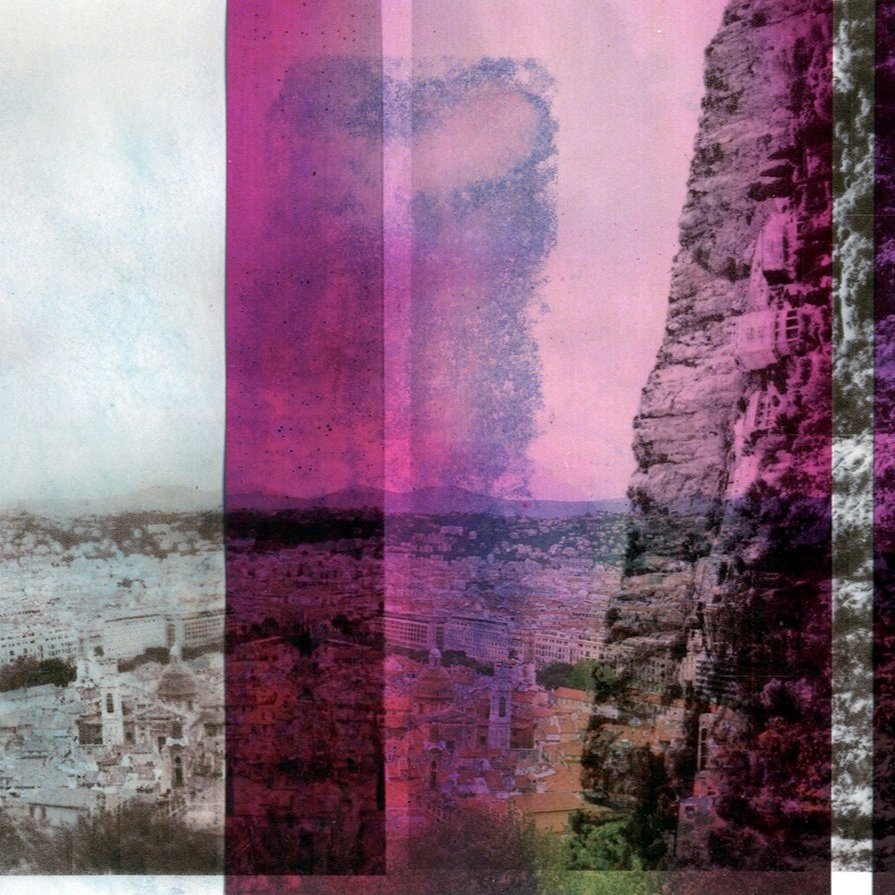
“I want to leave an open space in my work, for both the viewer and the artist, to explore what you're seeing and how you interpret what you're seeing…”


“As a British born person who is black, black history is not separated from ‘British History’. It is part of British History.”
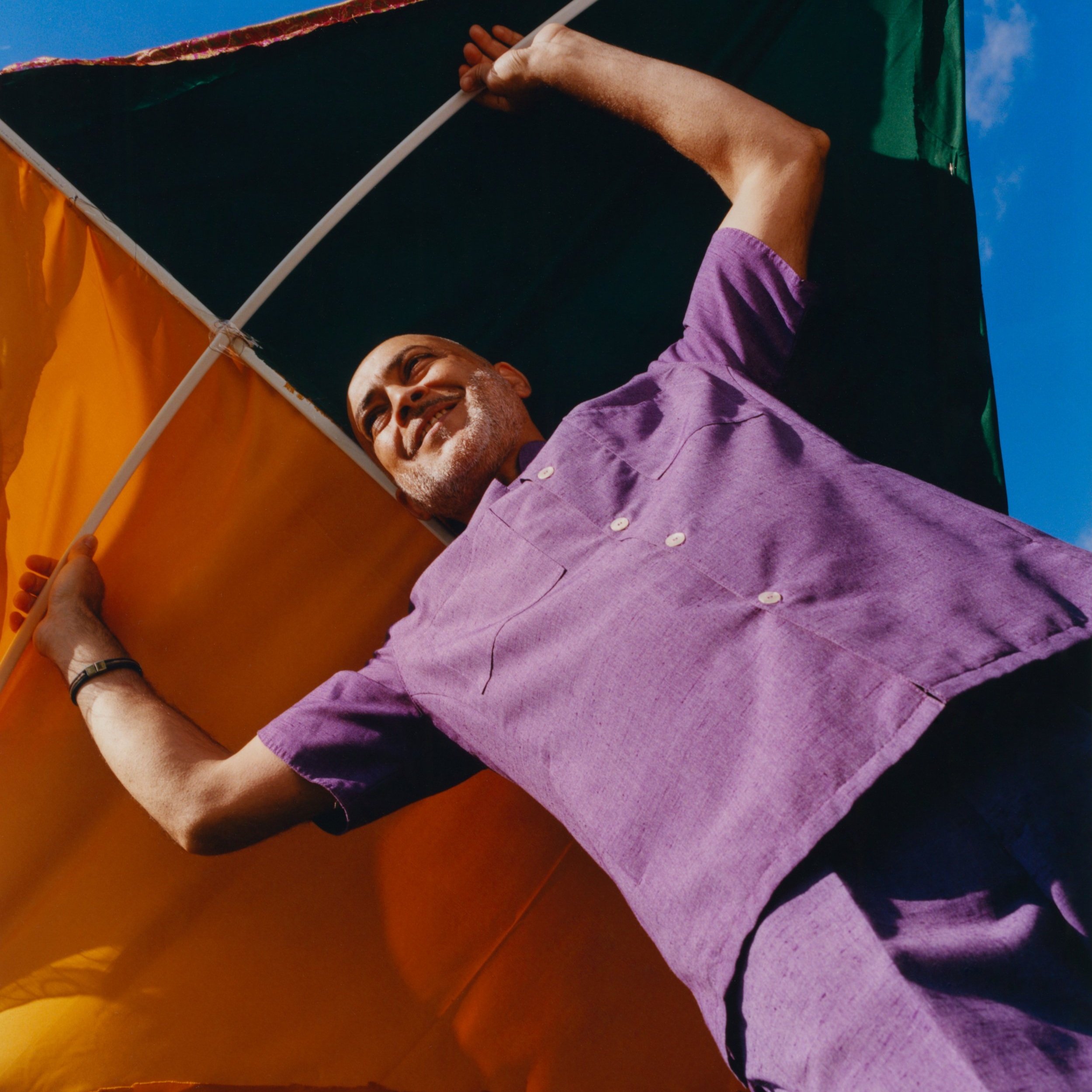
“I like this idea of movement, this idea of playing with things out there, like building on narratives.”

“I don’t plan the actual shots I’m going to take, I just see them all when I get into the space. I let the magic and the fun happen when I get there.”
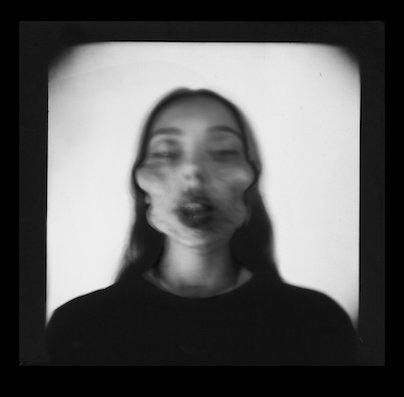
“The series is a celebration of the fusion of analogue and digital media working together to make the most of the best attributes of each medium.”

“Photography becomes a way of transition between my imagination and reality. It’s about making real something that exists only in my mind.”
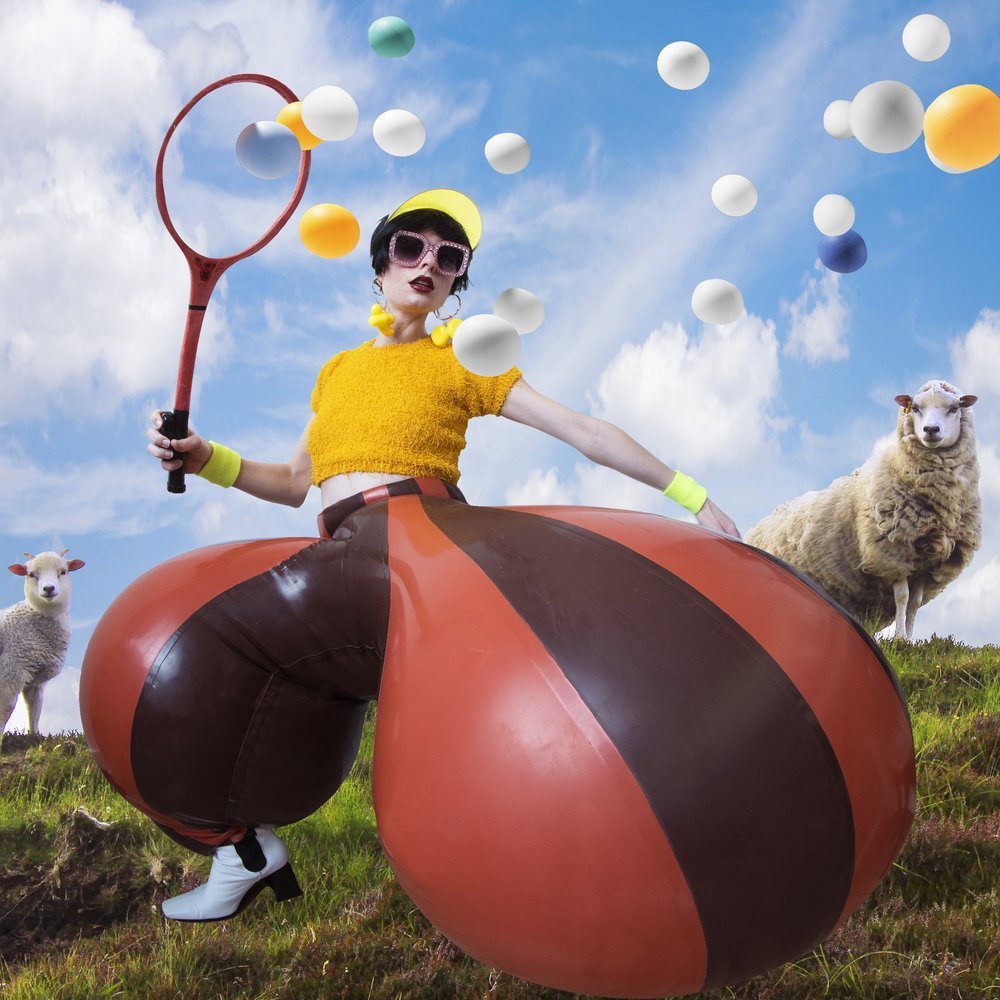
“I’m always curious about finding objects in the streets because they’ve had past histories and I feel as if they need new ones.”

“I’m very inspired by the folklore I heard in that period - the fairy tales and the kind of mysterious beautiful female creatures that are in the stories.”
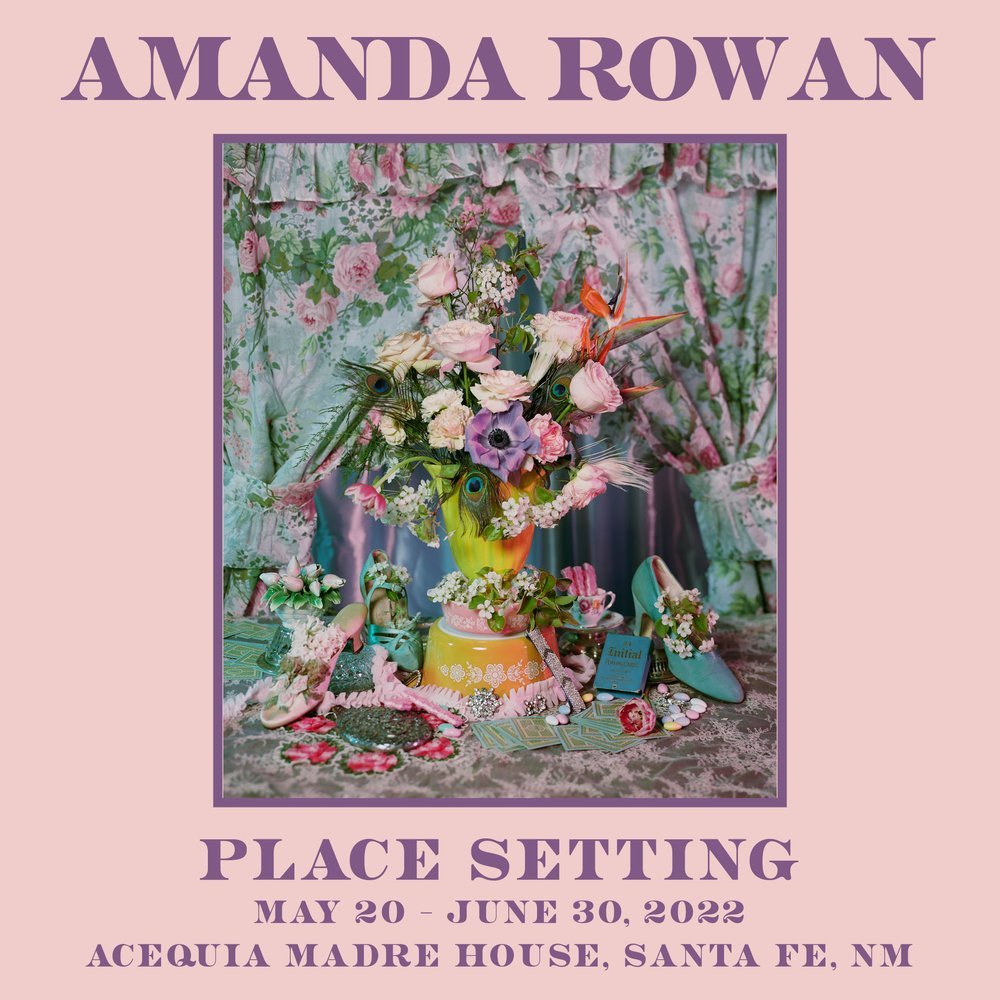
“I sought to capture the duality of the space. In one sense, a reaction to privilege and aristocracy, and at the same time, a celebration of autonomy in the American Southwest as independent women.”
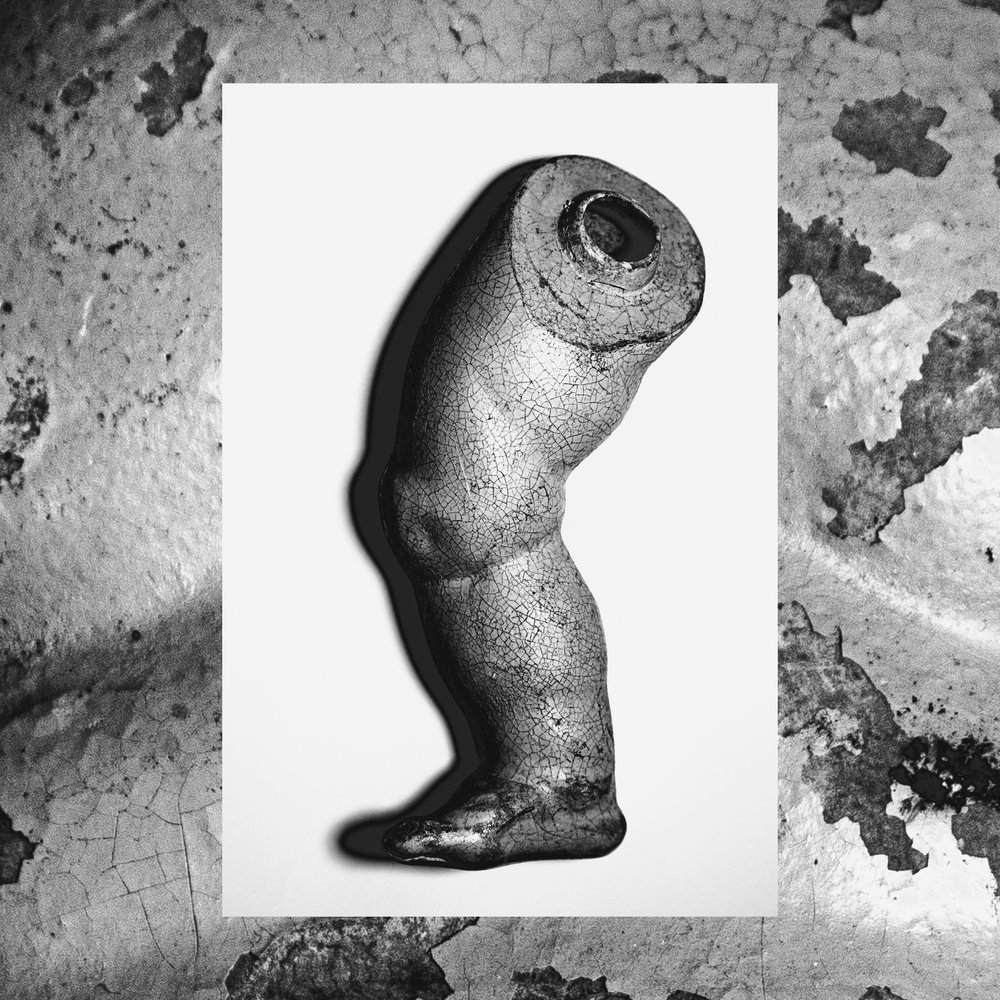
“Still in the Dark functions in the uncanny terror of suggestion, as opposed to the abject horror of repulsion. It is an invitation into my private mental theatre.”
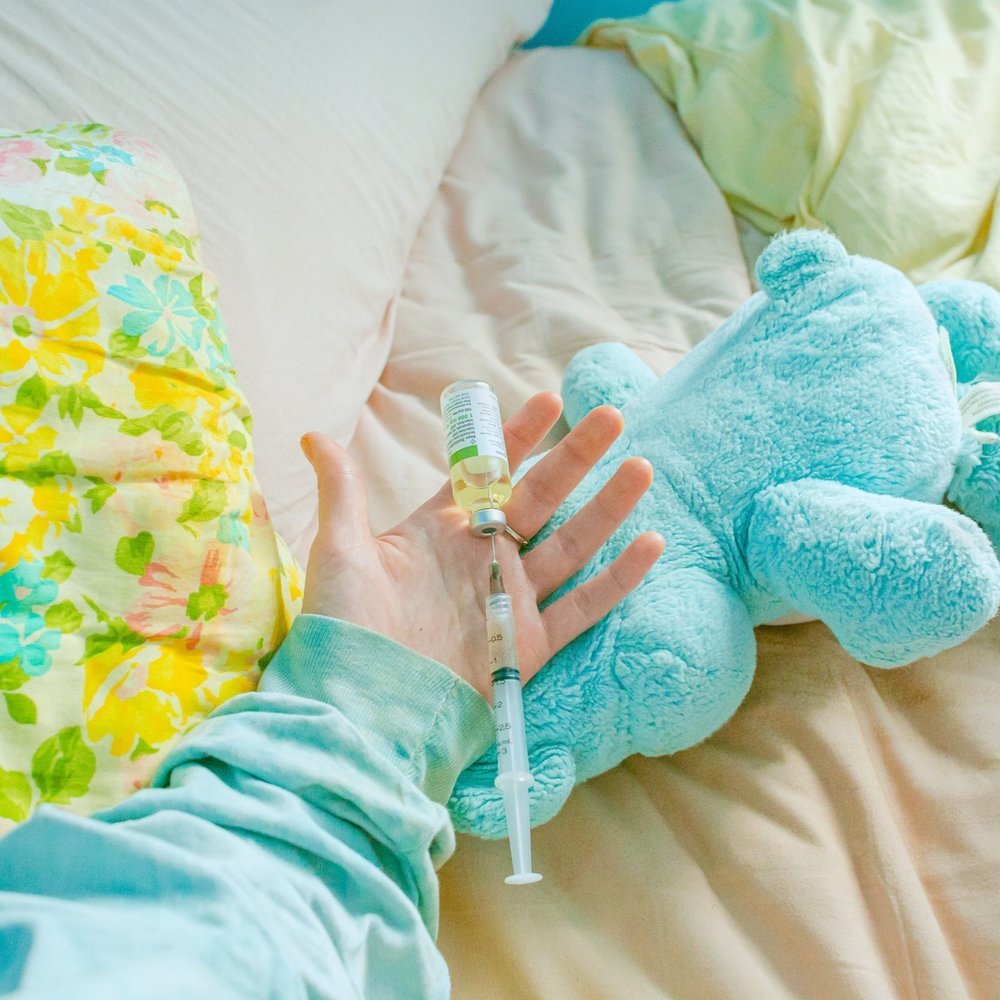
“I love colour in general. It adds another layer of language in photography that can communicate a lot of emotion.”

“Photography has always been intriguing to me because of the ability to tell a story in a single frame.”

“In the end the identity we portray is ephemeral, it changes from one second to the other.”

“The people in my photographs were exposed to my lens as they were, powerful and fragile at the same time.”
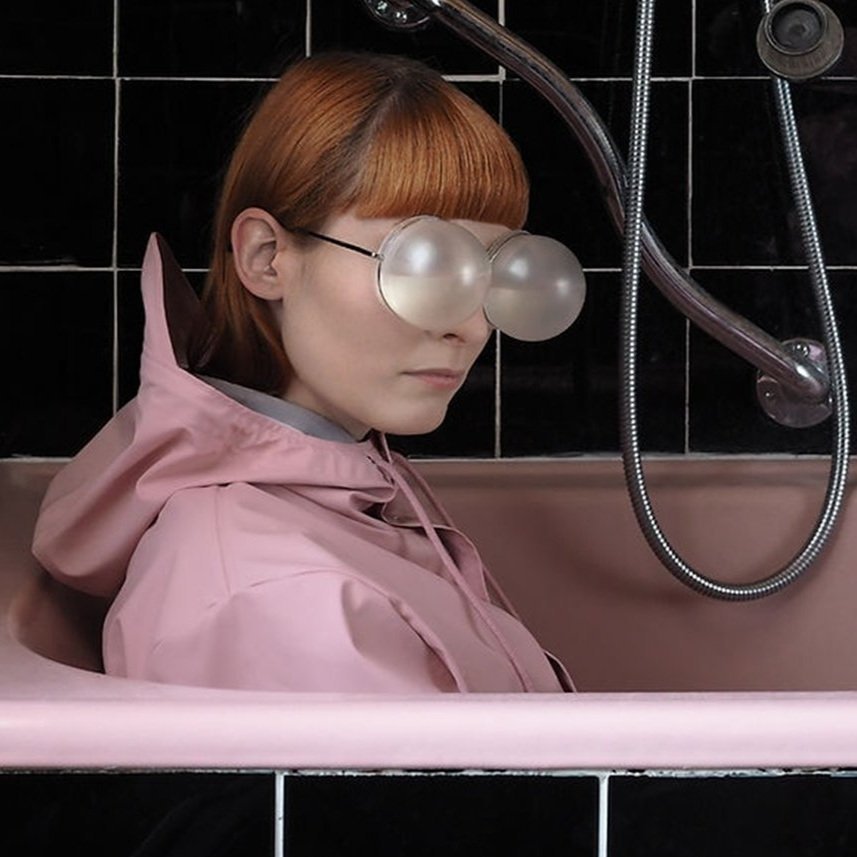
“Most of my settings are domestic and so my images might be seen like a resistance to ordinariness.”

“I’m interested in humans, how we take on board compliments and criticism, how we sift through the mass of information presented to us on a daily basis to form our beliefs.”
“I’ve always looked at life with wonder, the camera has helped me keep my curiosity and fire for being creative.”
“These images are all of a fleeting moment of beauty that moved me, drew me in and left me fulfilled.”
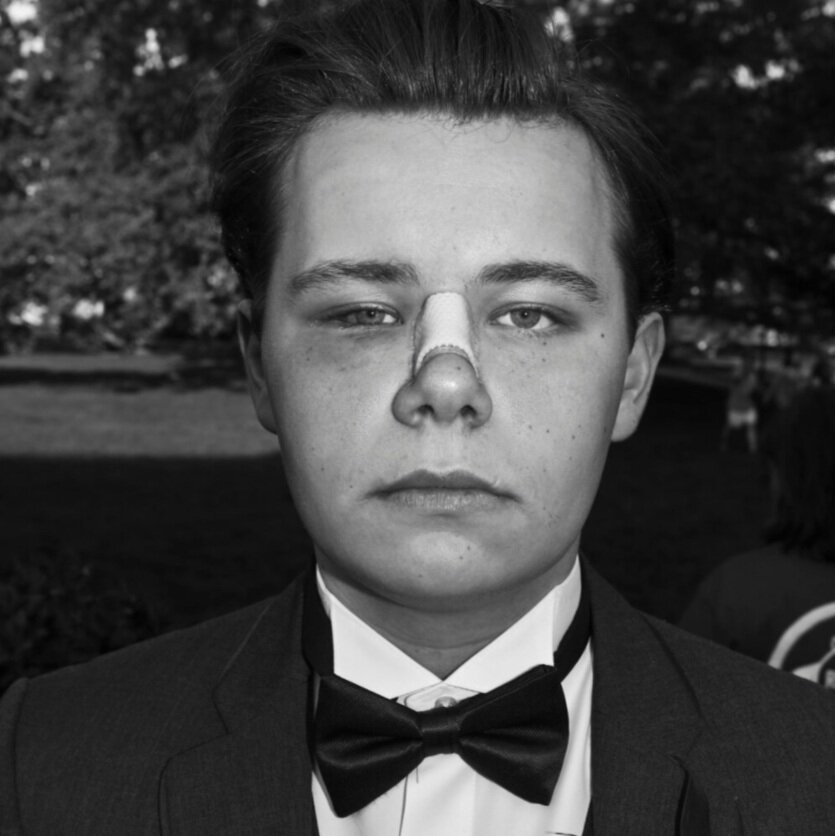
“I like to respect the viewer enough to think that they can make up their own mind about what’s going on in the photograph. Any story that I would give is not going to be as powerful as the one that someone can make themselves.”
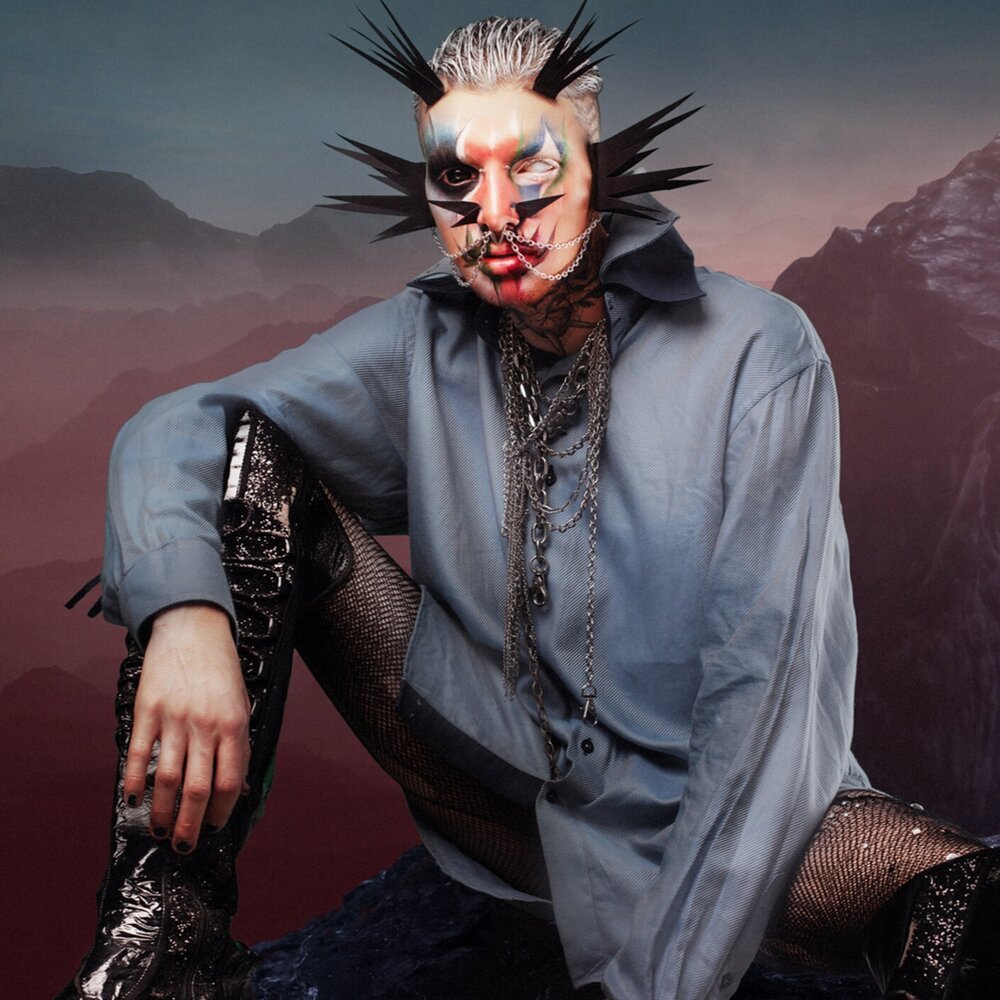
“I think what is most important for people to be aware is that photography in itself is a lie. It is a moment, not showing you a before or an after. It is always a choice by an author. It is not reality, even if it looks realistic.”
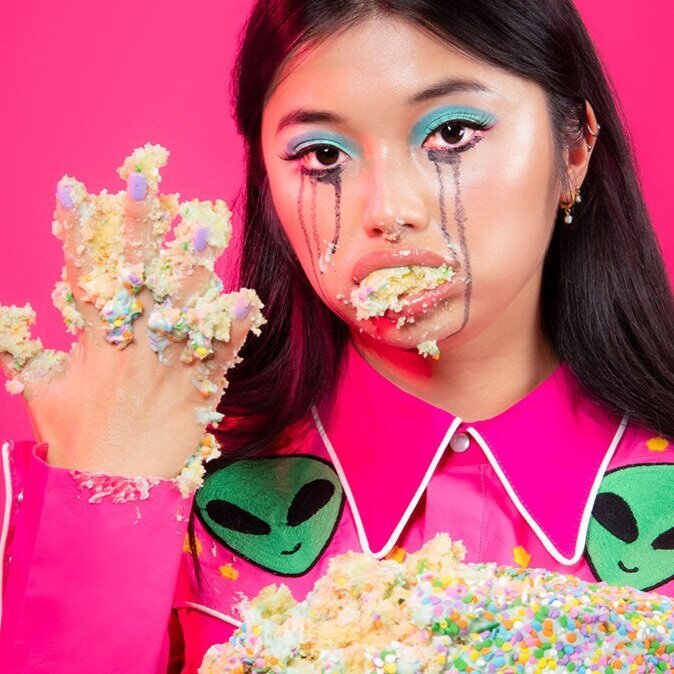
“I’ve dedicated my work to supporting womxn creatives and entrepreneurs in LA because I want to use my platform to let them and their work shine - not only for one subset but for all womxn.”

“I’m always very excited to be confronted by the real places I’ve done so much research on. It always give a strange feeling, as if I’m confronting the image I had formed in my mind against the real state of the place.”
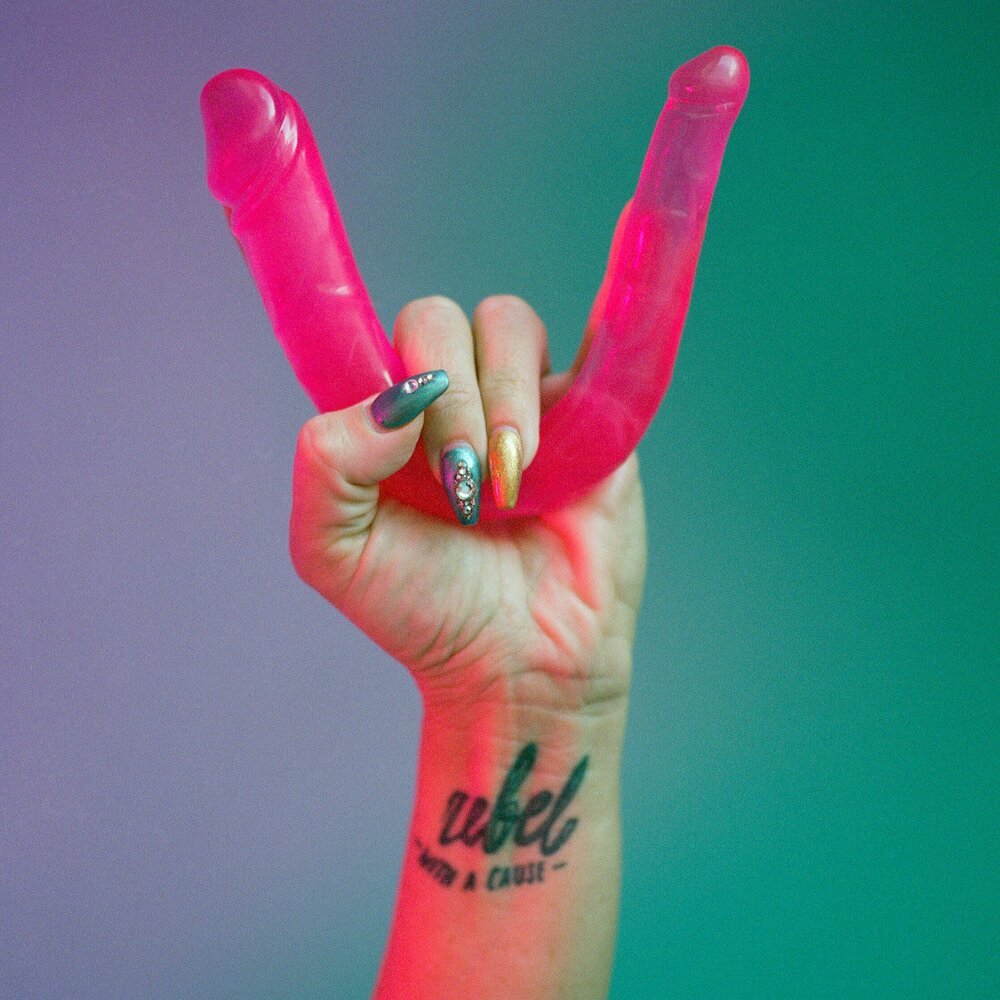
“Photography is just a perfect medium to voice your opinion without words; or to ask questions or turn the spotlight on something. I’m trying to do all this in an understandable way, and I’m trying to make it not boring.”
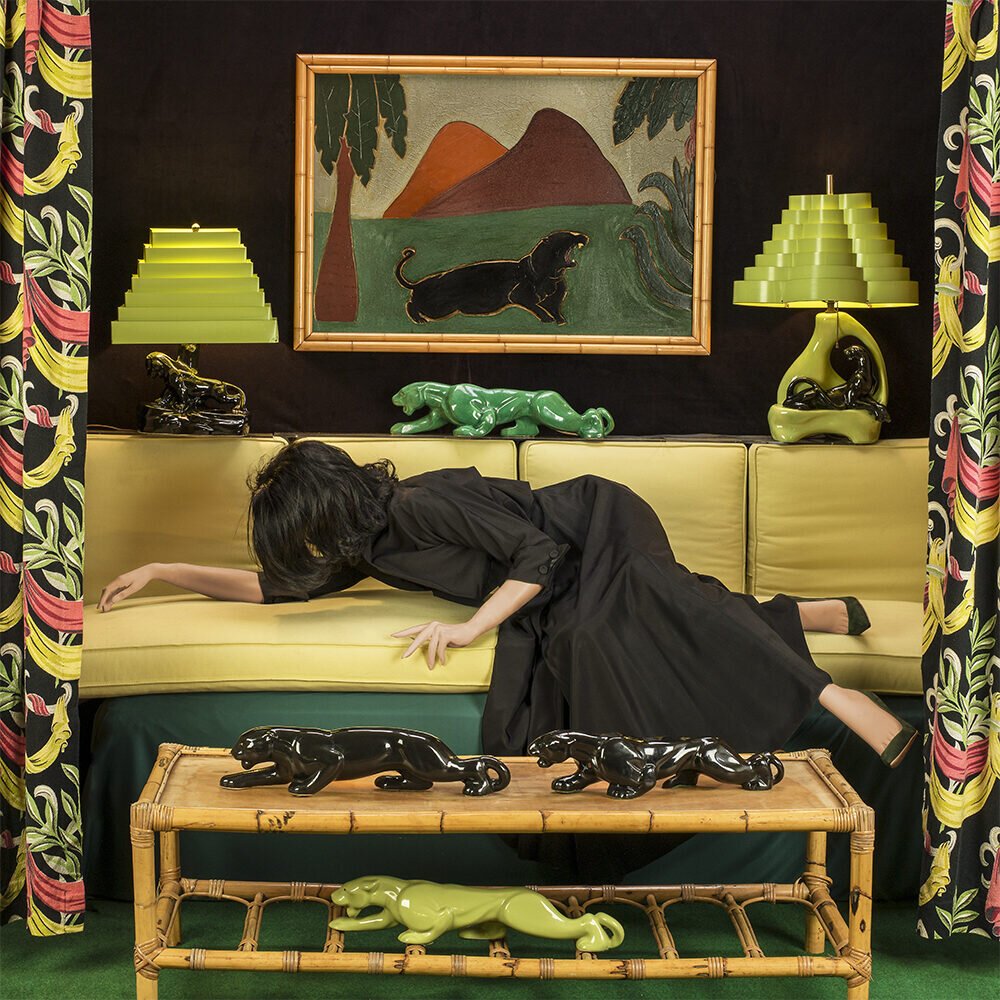
“I have always loved bright, saturated primary colours, maybe the way a kid does. Colour is emotion, life, and energy.”
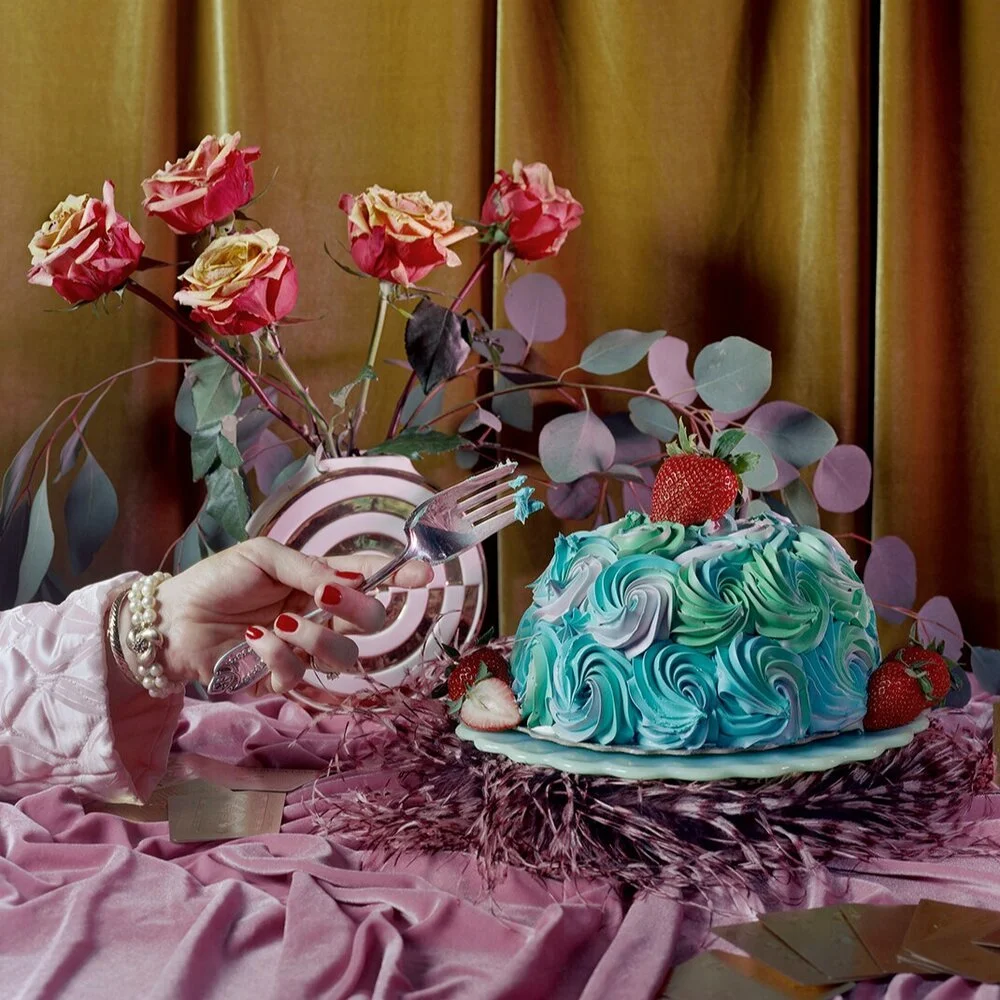
“I love this idea of objects being a secret language. It feels like a subversive way to fight operation through an aesthetic depiction of beautiful “things.”
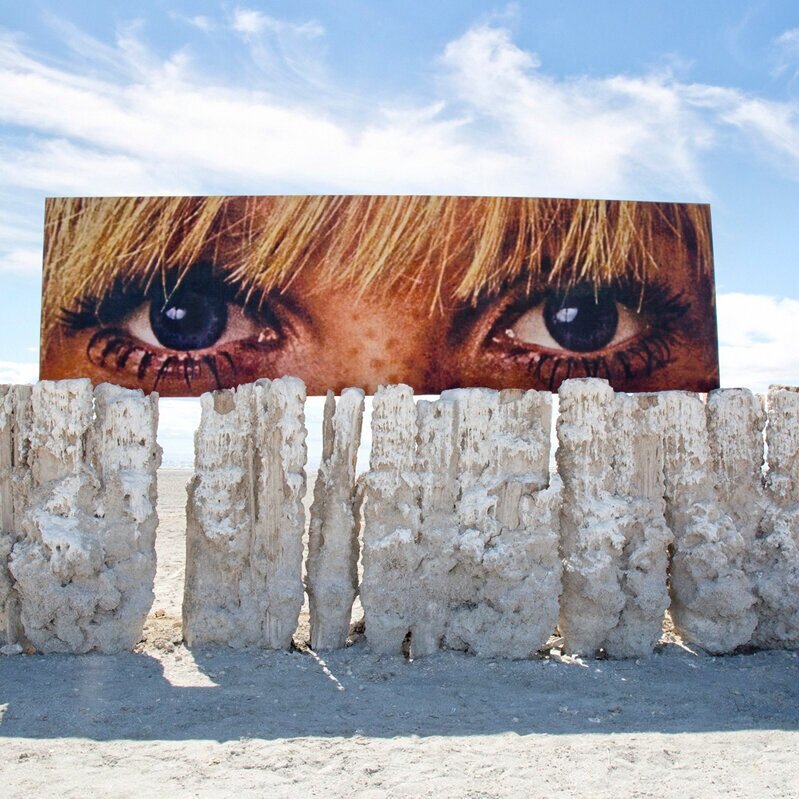
“I would not call myself a traditional collage artist or a traditional photographer. I feel like my work lies somewhere in the middle.”
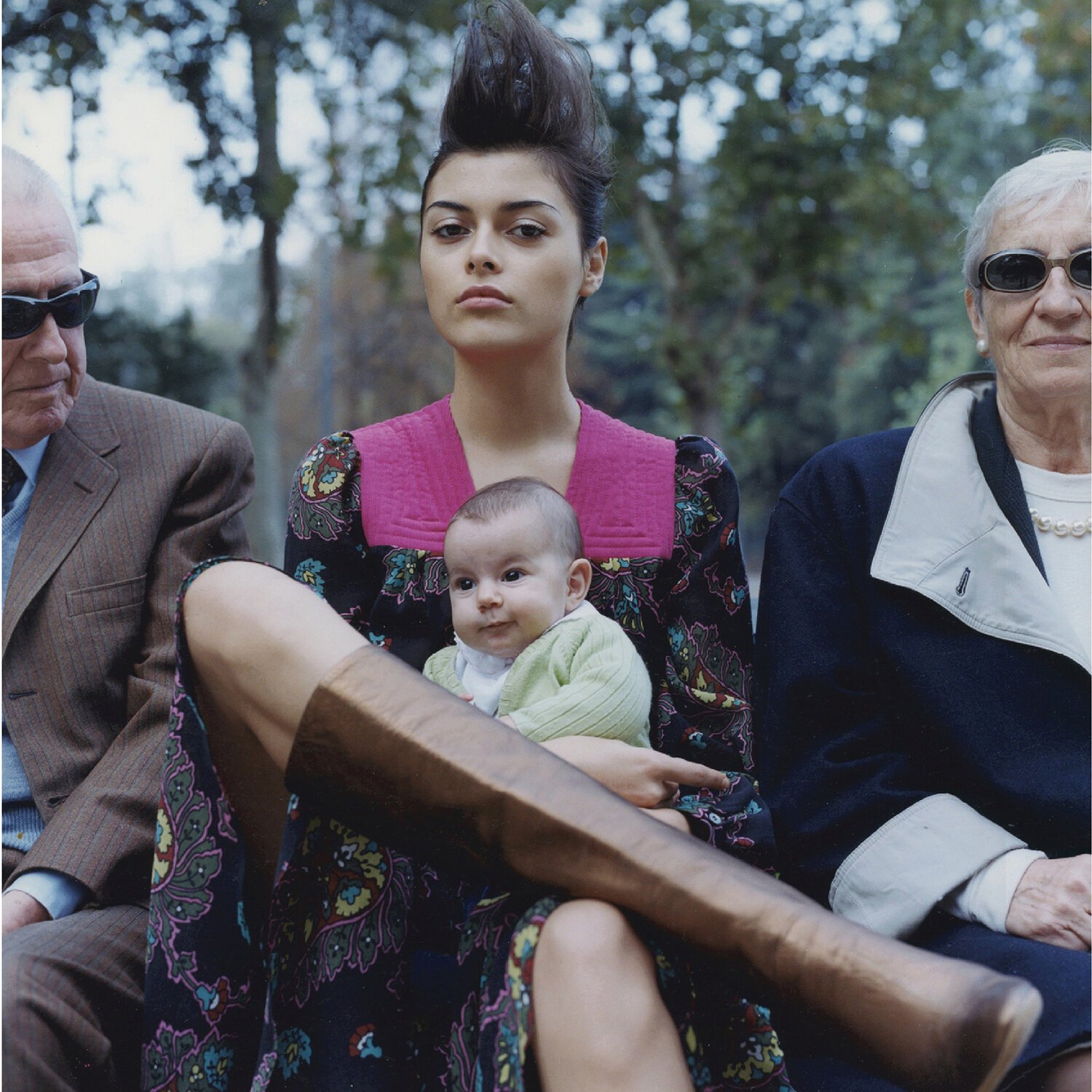
“She does many thing more than a man, but nevertheless, she doesn’t forget her femininity.
She represents all modern women, for me, we are all Wonder Woman!”
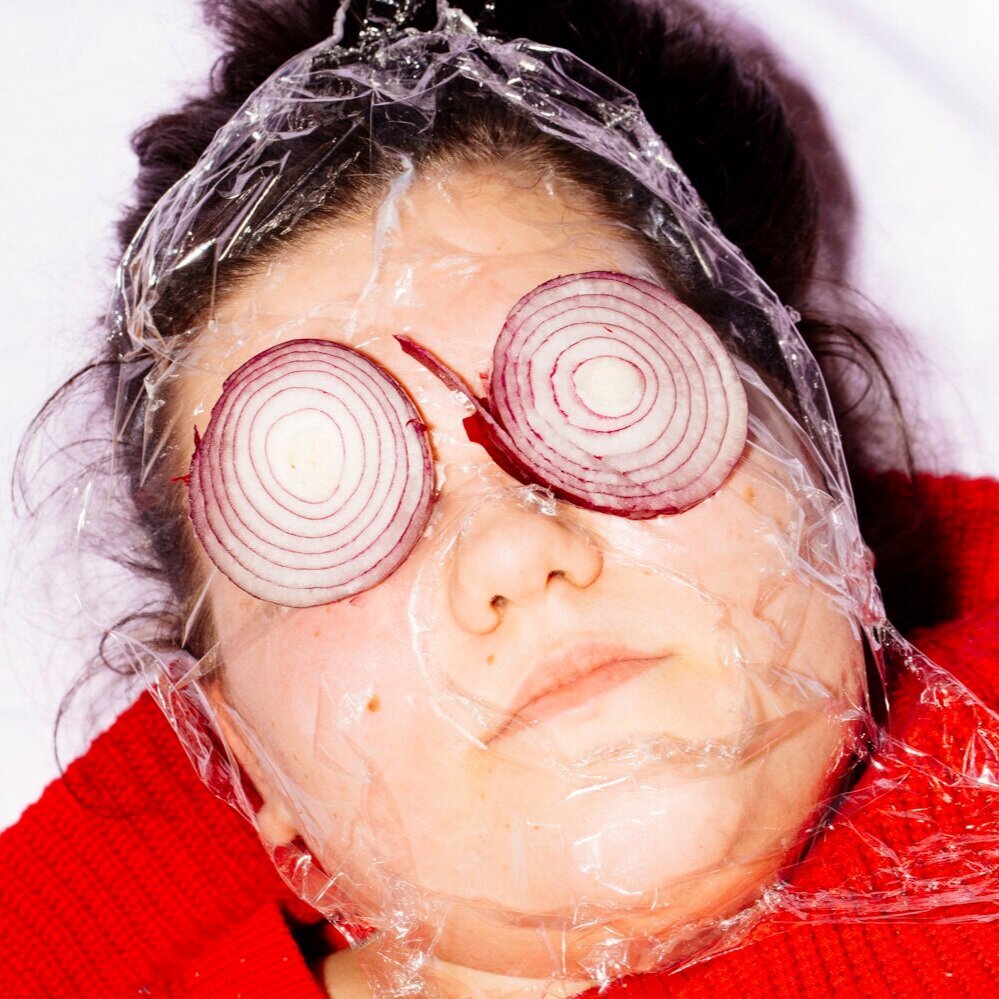
“I am happy looking at these amateur images, made in situations that are quite difficult to explain, and I usually wonder why and how it could have happened. I like these photos so much, I can look at them with tears in my eyes, and wonder if it is possible to learn how to catch such unique stories.”
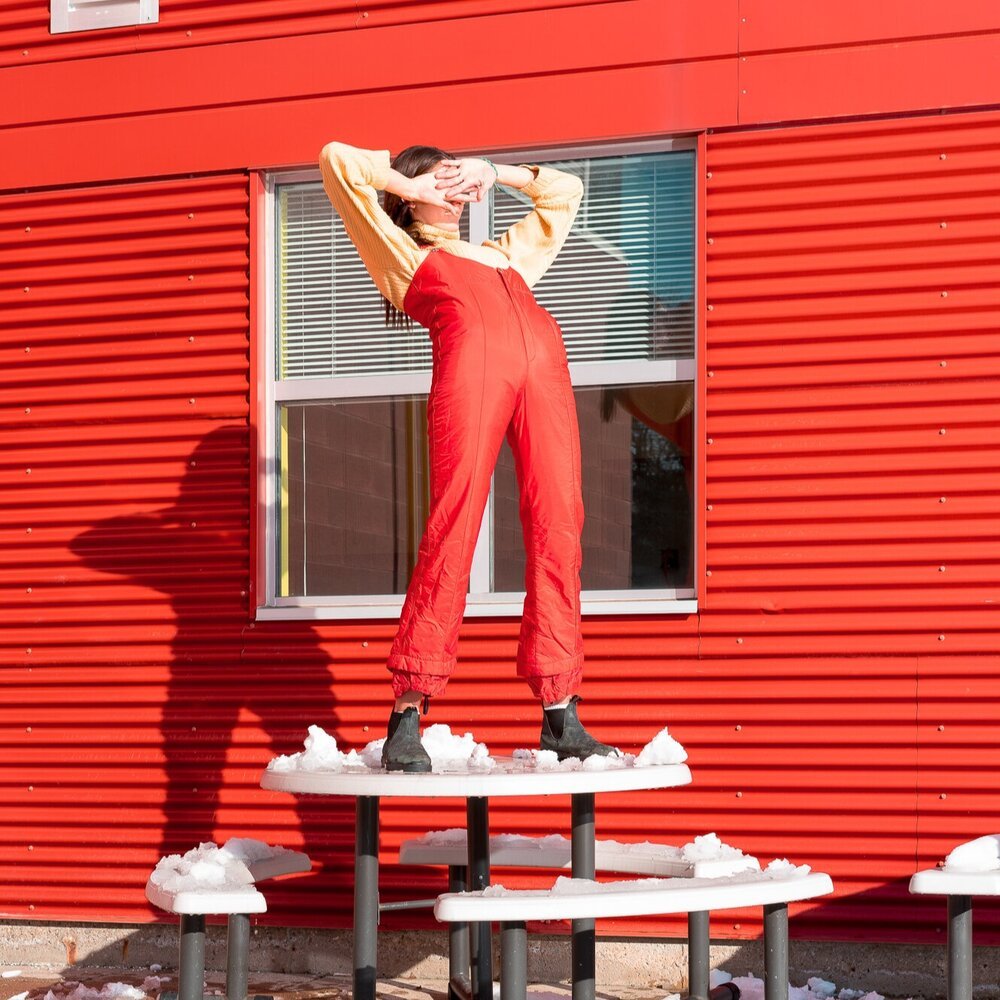
“I find that the locations I work with are both unreal and real. They are places almost everyone has encountered before but never really took the time to appreciate their beauty.”
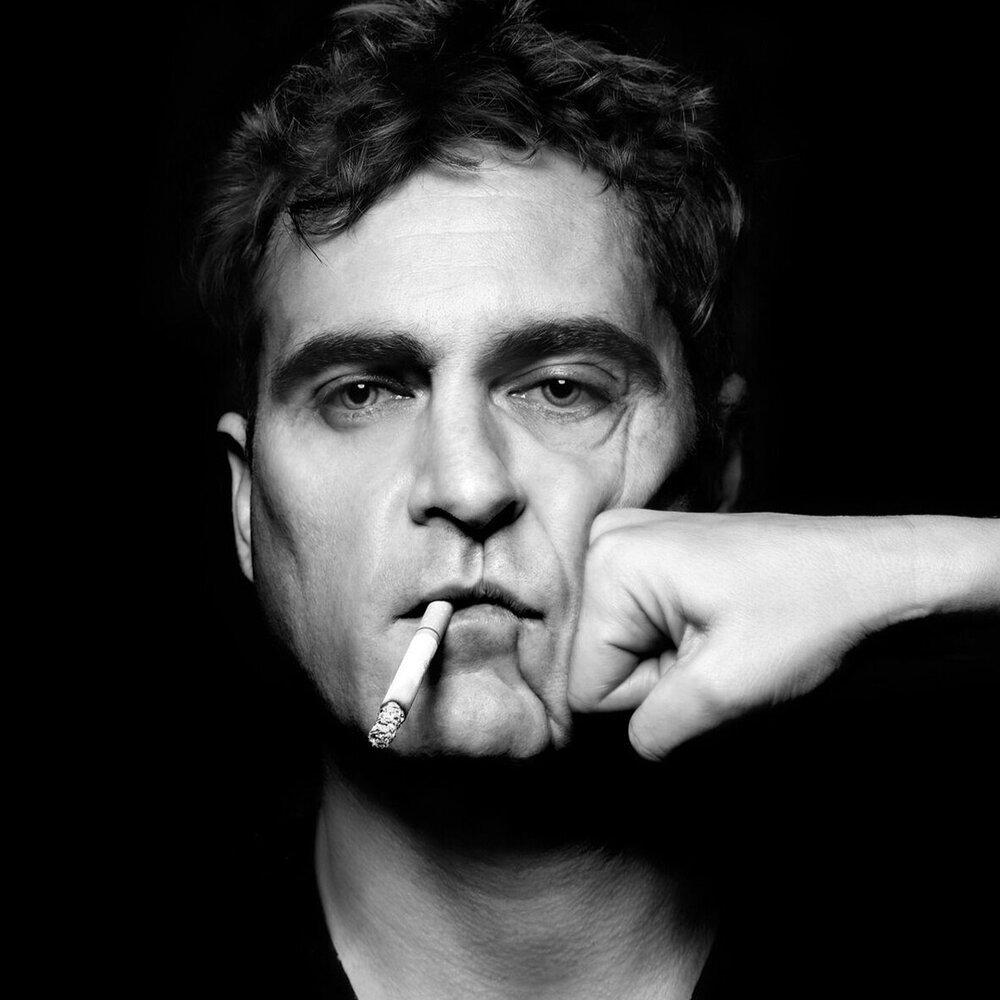
“It’s more about an emotional state. Each one of the characters is an extension of me. Abandonment. Loneliness. Isolation. Some things I feel every day.”
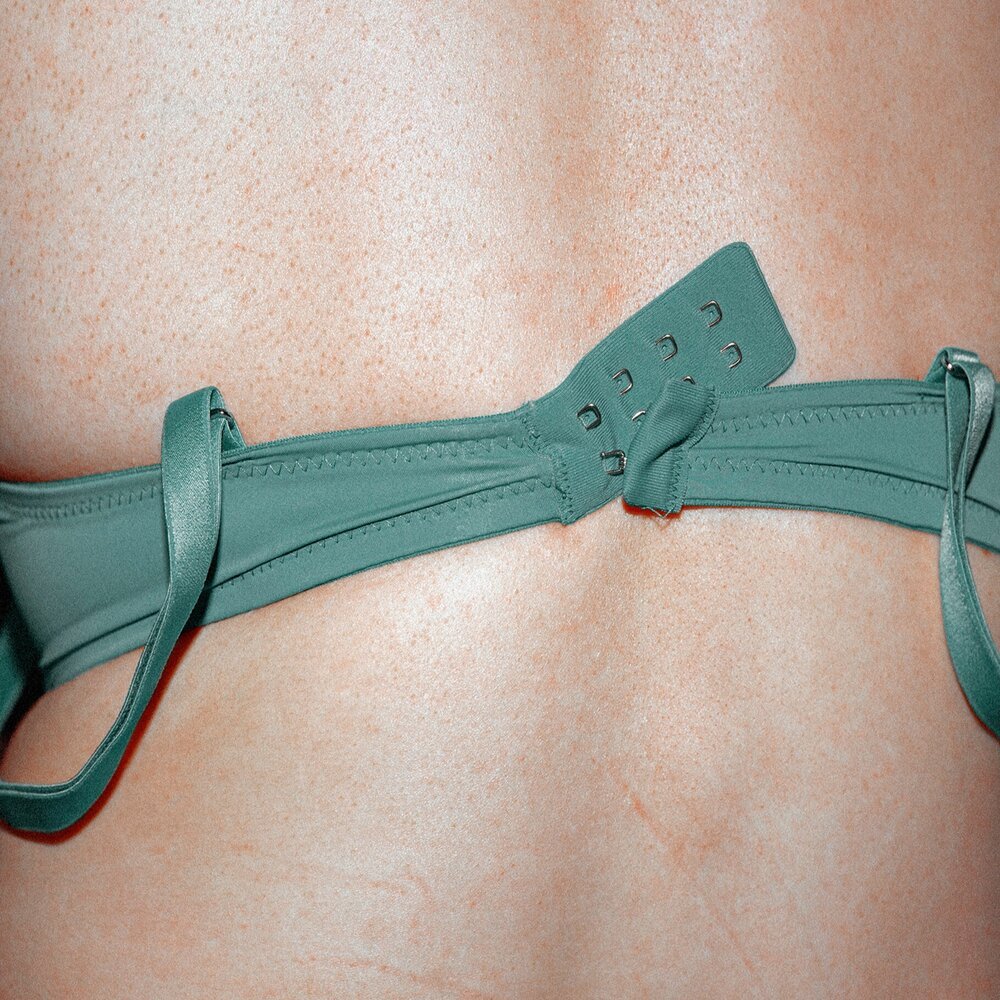
“I do a lot of visual research, I am very curious person and I take inspiration from all types of art, especially from cinema and painting. But, in the end, for me, the creative process is all contained in emotions. I always try to recreate an intimate dimension even if it’s entirely experimental.”
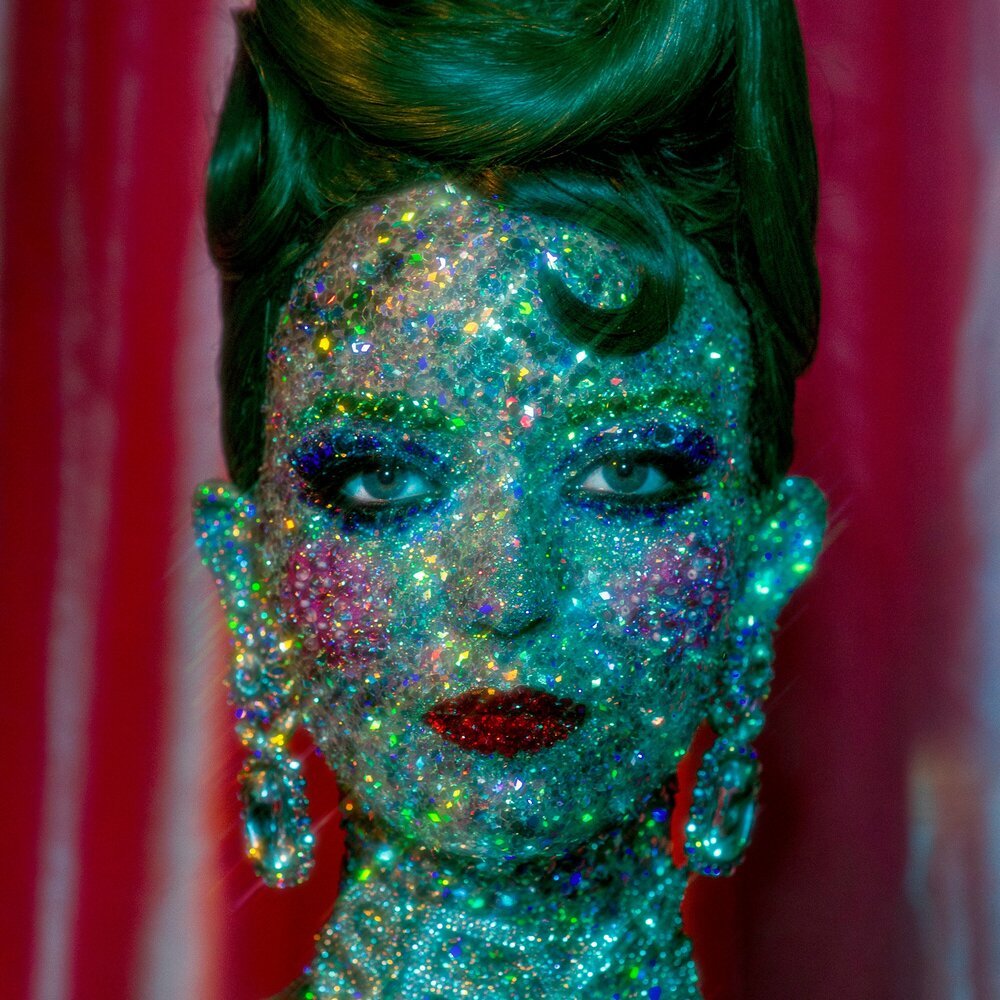
“It became quite personal at the same time, reflecting on my own lifelong experience as a woman who, like many others, has been too critical of myself.”
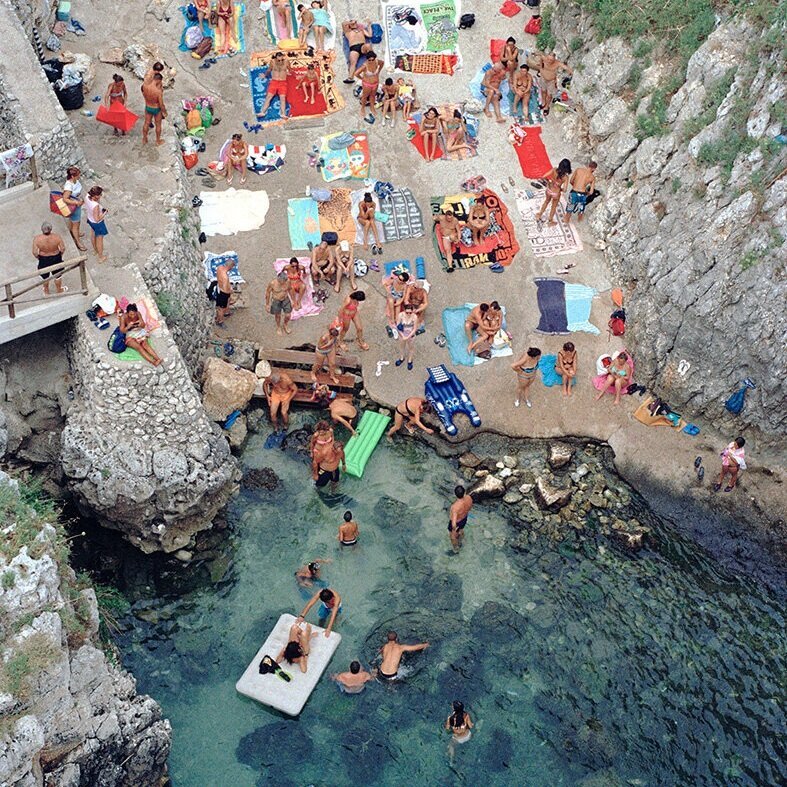
“I do not necessarily care about pinpointing the individual, rather I want to capture a scene, a situation, or even an emotional landscape.”
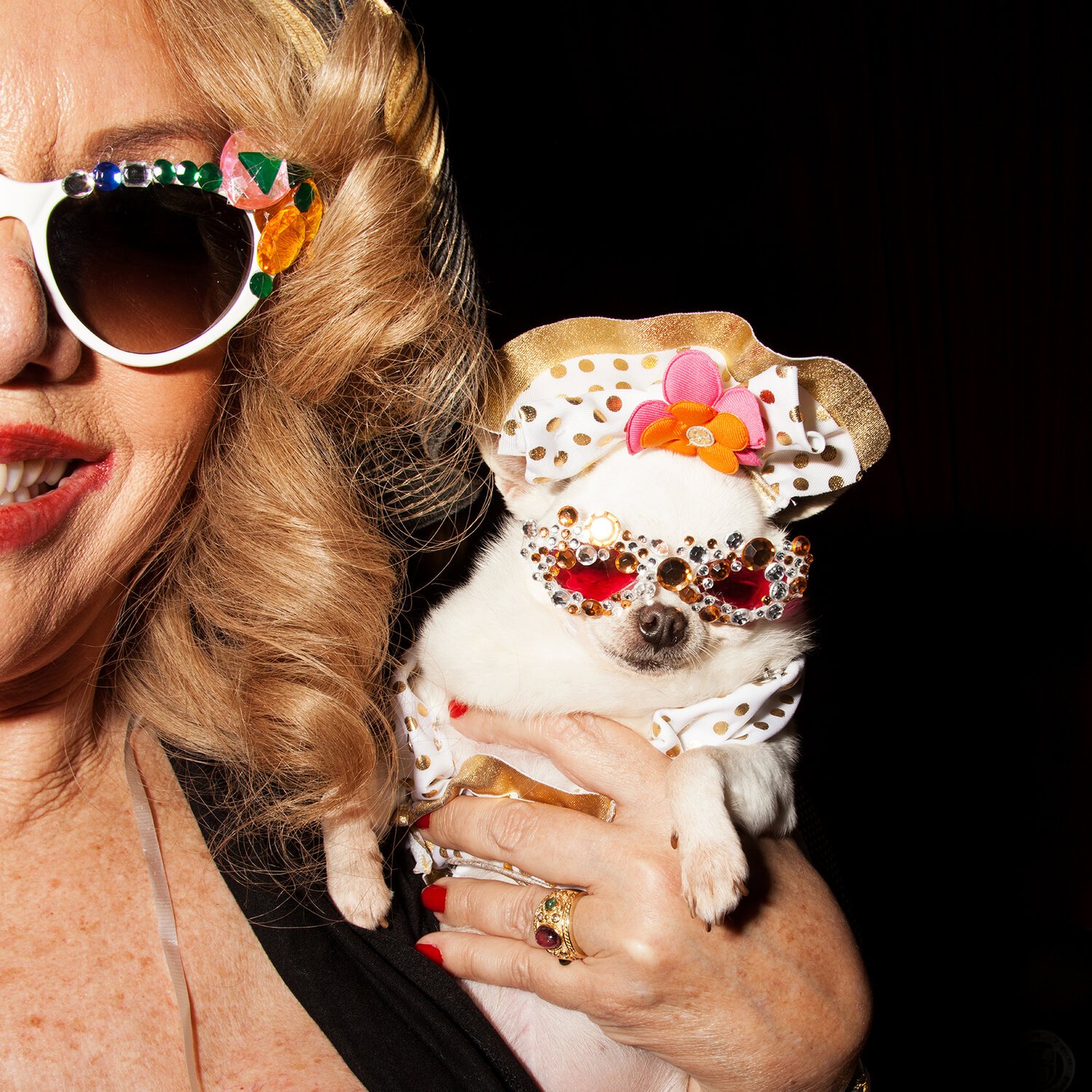
“I think the media landscape changed with the Internet in the early 2010’s that benefited work like mine, truthfully. I think people craved lighter stories and communities they hadn’t seen.”
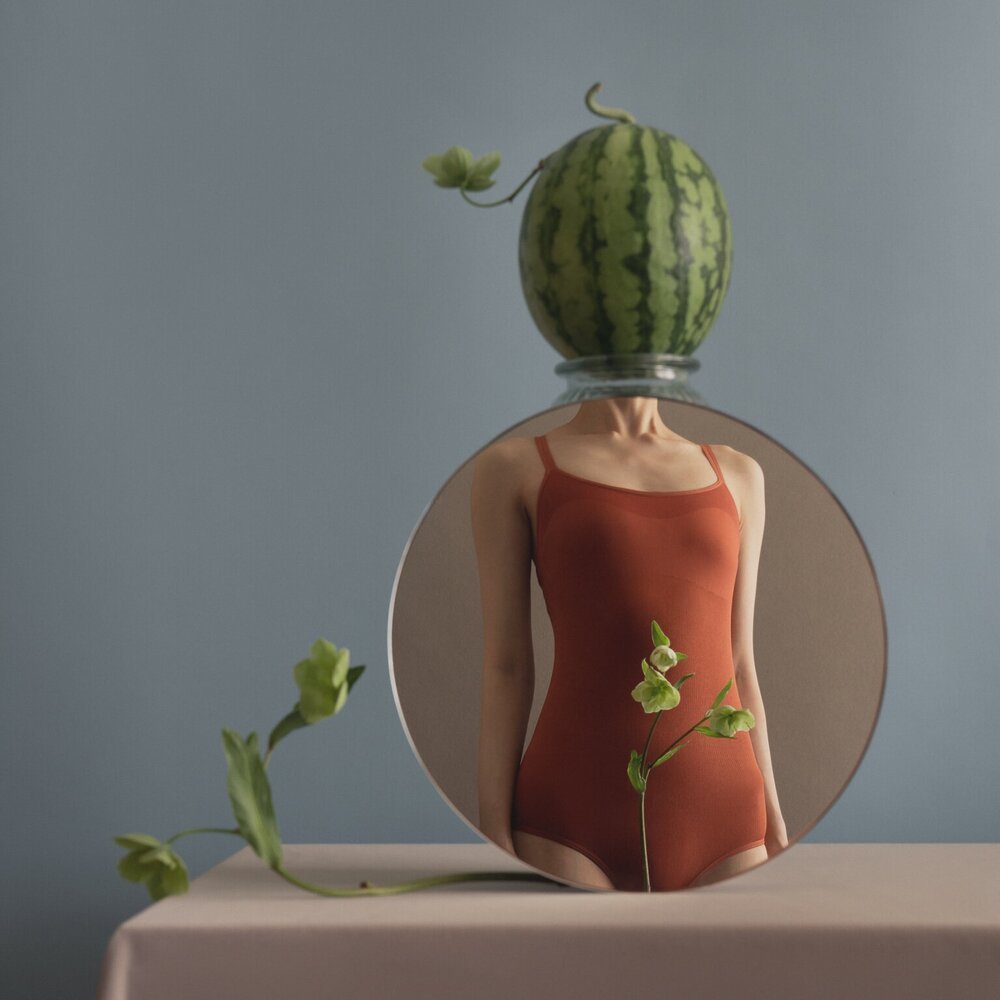
“Whether it is in the process of taking photography or by seeing my own photography works, I will have a sense of belonging. In this small world, I naturally shed some of my shackles.”
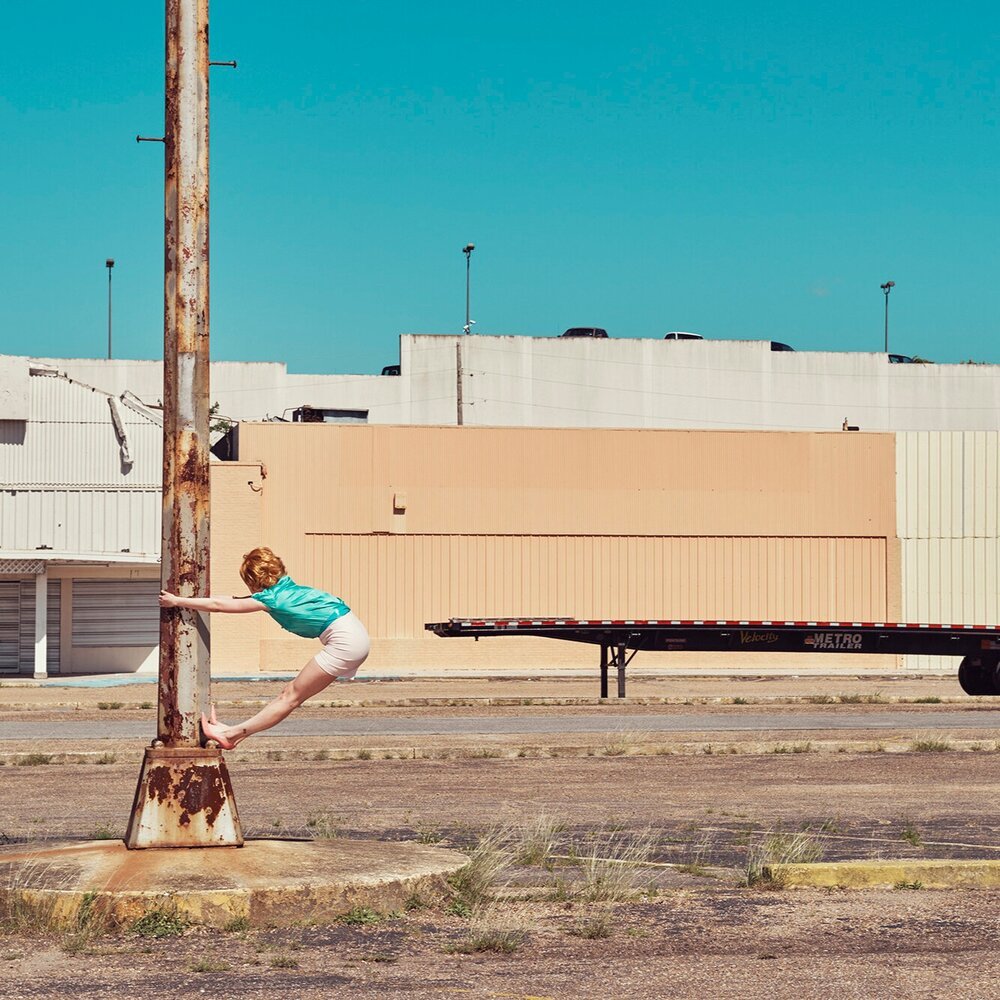
“Have you ever woken up in the night and thought there was someone standing by your bed? Then upon closer, more lucid inspection you realise it was just your bathrobe hanging off a hook. ”
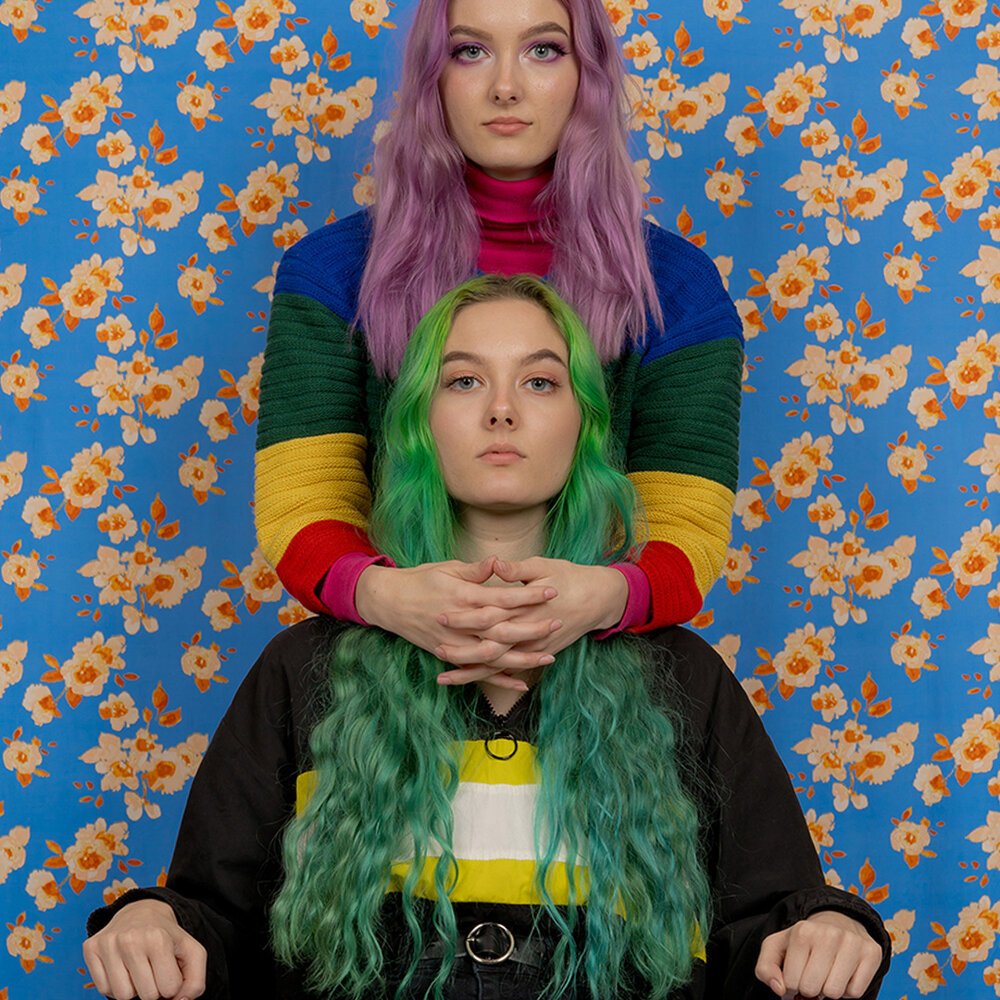
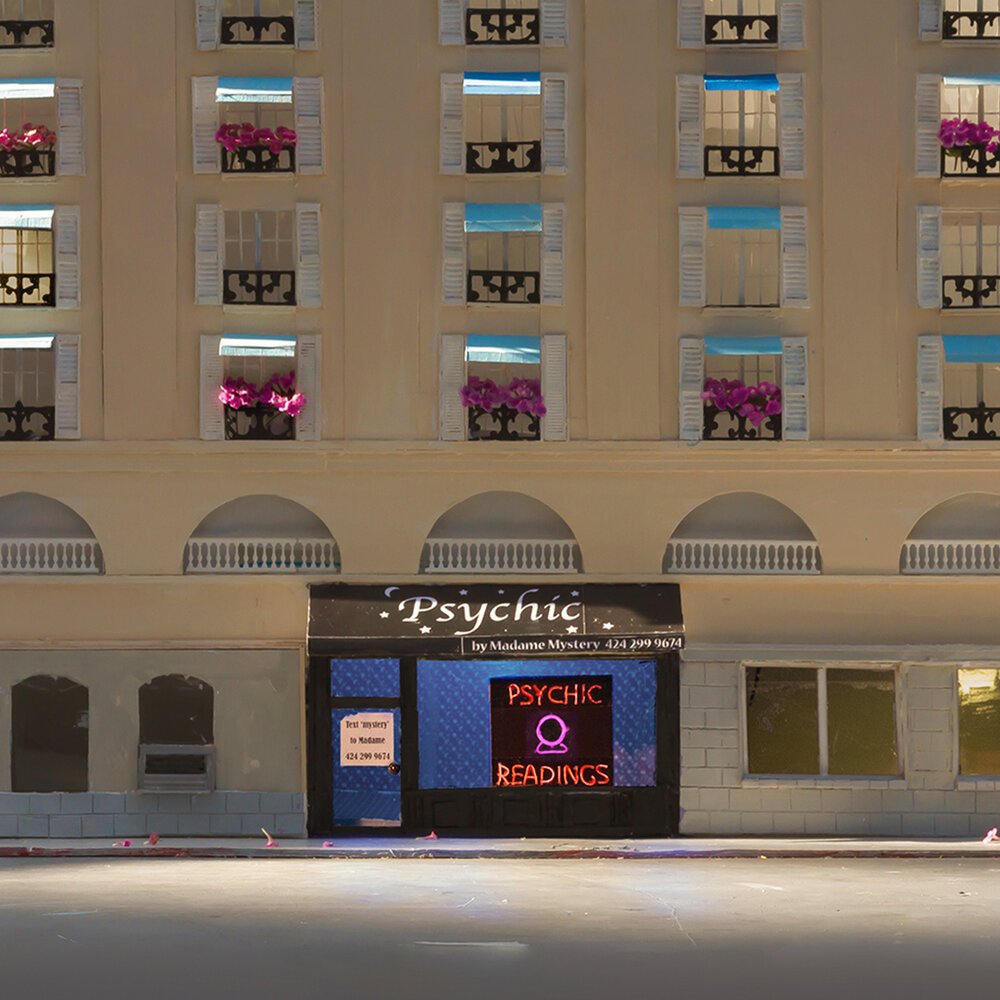
“My models are not the exact way these places are in reality, it’s how I remember them.”
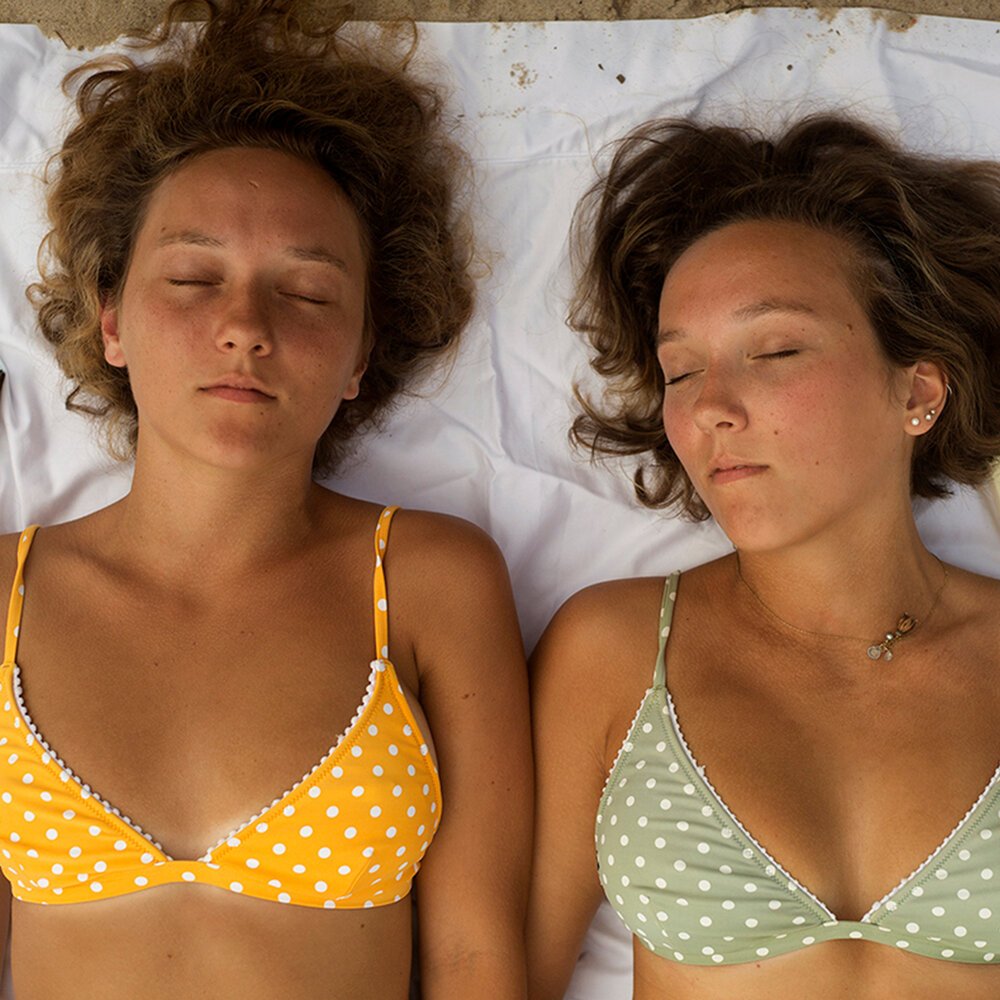
“It’s those moments and getting those shots I will always remember. In looking back on our lives for the sake of photos, both of us became aware just how intertwined we are.”
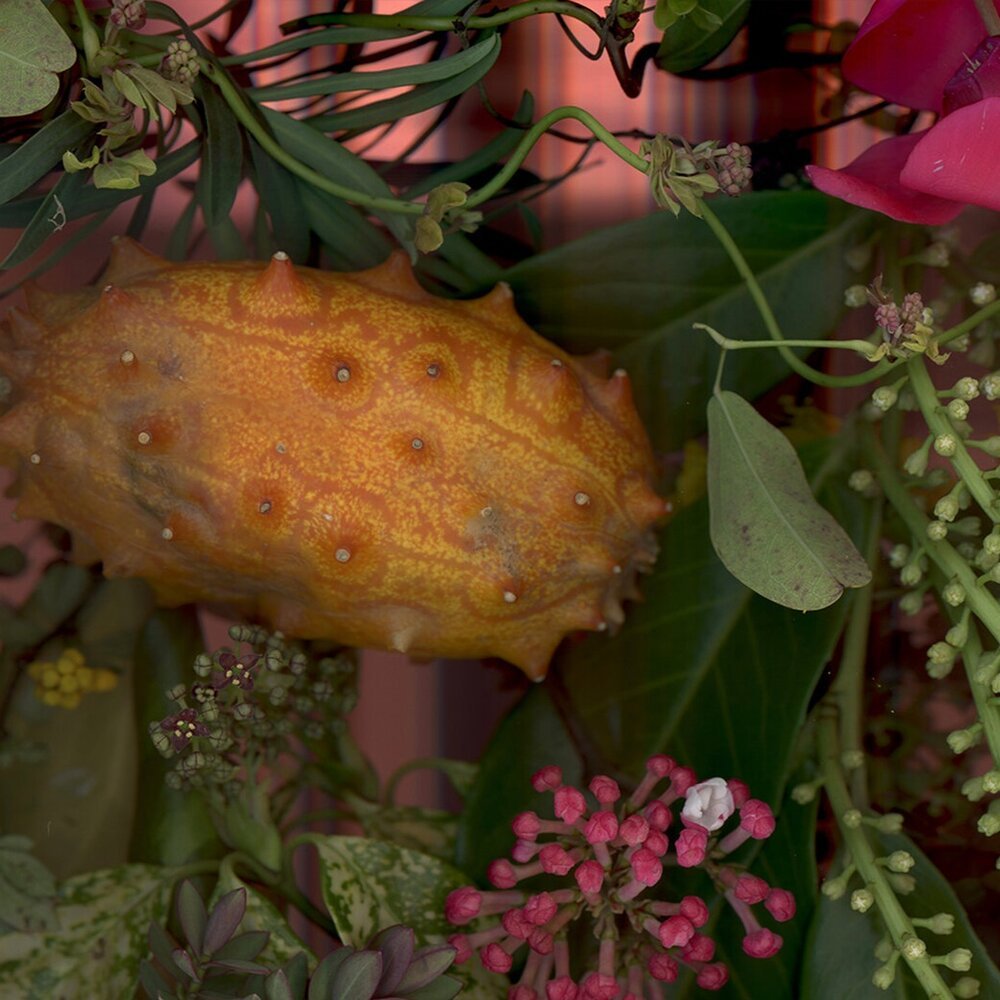
“What happens when you look at nature closely enough? Does it shift your perception? Do you see your own nature more closely?”
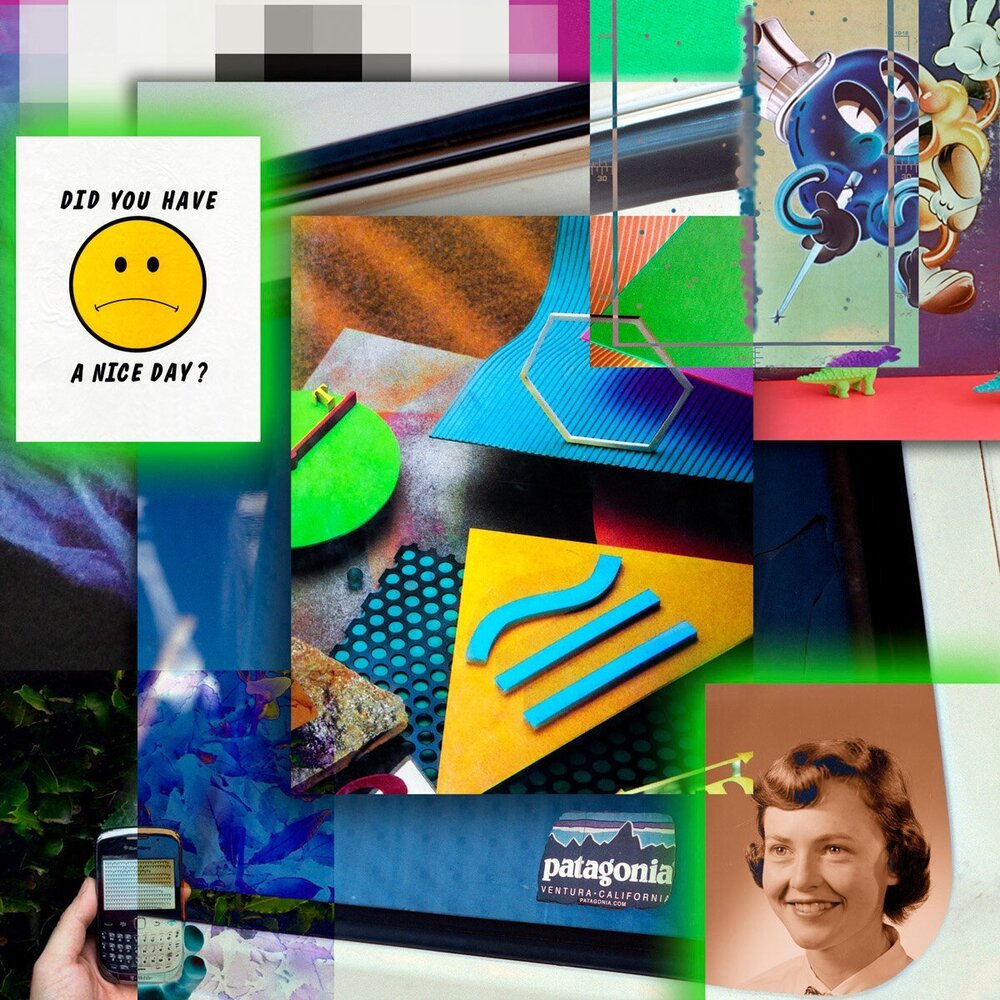
“I like the fact that the work can be enjoyed on different levels: you might like the playful appearance, but also be interested in exploring what’s behind it, and the ambiguity of what’s in between.”

“I get a lot of inspiration, and base a lot of my initial research on pop culture and memes. I find the 00s a really interesting era, the Internet was finding its feet, reality TV was the hottest new thing, and the way people became famous was changing.”